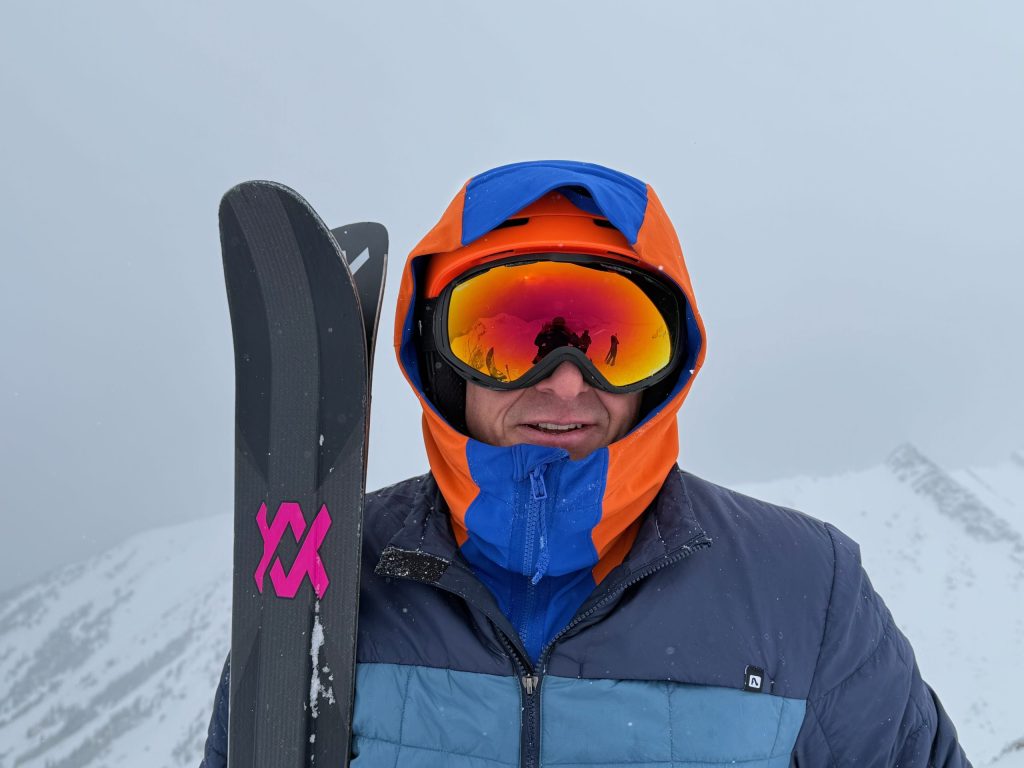
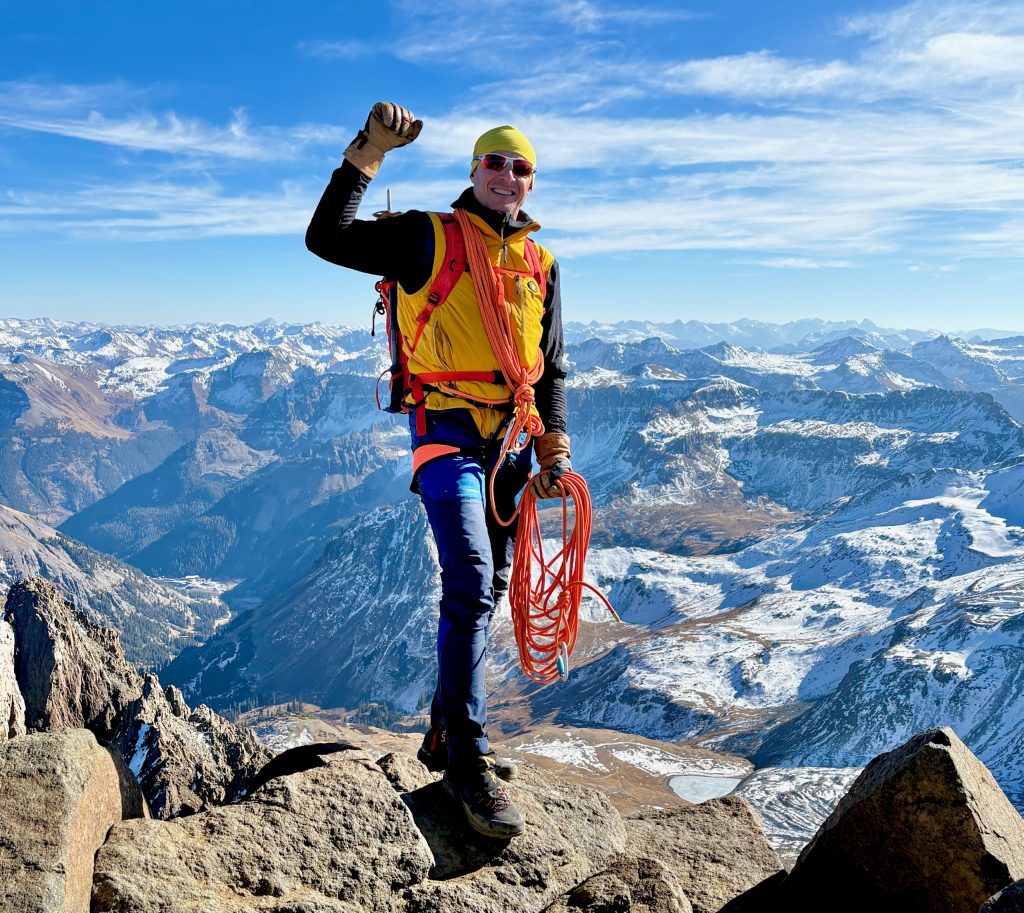
Over the winter of 2025-26, I tested four apparel items containing PrimaLoft insulation. In theory the testing was of the insulation itself, but my relationship to PrimaLoft was of course through the experience of the specific pieces. Luckily I had no shortage of opportunities to be cold and rely on these garments to bring me to warmth and maintain that heat. Canada, Colorado, Montana, Wyoming and Utah offered a variety of test environments to climb in the alpine at higher altitudes, scramble sandstone, backcountry ski, resort ski and hop into the resort side-country.
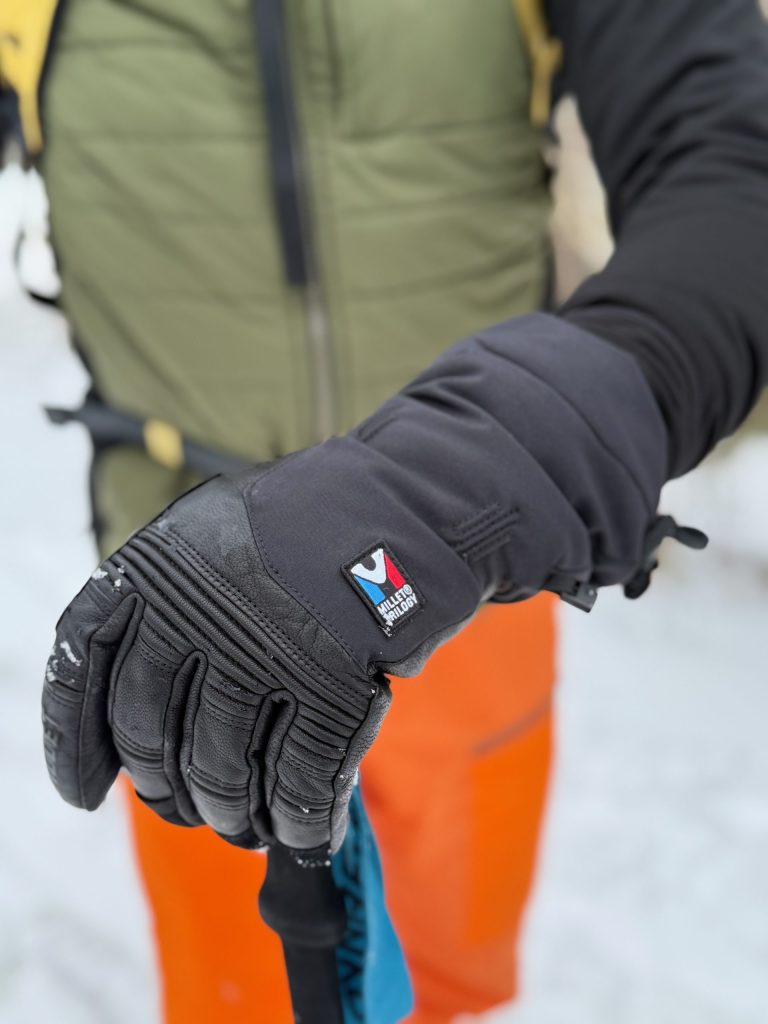
Millet’s Trilogy Icon Gore-Tex Gloves (MSRP $220) use PrimaLoft Gold, a synthetic insulation using 100% recycled material and as of January of 2025, made with PURE (Produced Using Reduced Emissions) standards. Of PrimaLoft’s Gold, Silver and Black classics, the Gold is the top-tier for serious outdoor activity, offering their highest warmth-to-weight ratio and a highly compressible (and reboundable) material. I can honestly say that I never once retreated to the warming huts at the ski resort due to cold fingers. Toes—yes. Face—yes. My gloves became moderately soaked on multiple warm pow-dump days at Jackson Hole and Kicking Horse and dried by the time I needed them the next day. After 50 days of use this winter, the Trilogy Icons maintained their loft—their puffiness—which is one of the distinguishers between more and less expensive ski and mountaineering gloves, puffy jackets and pants and synthetic sleeping bags.
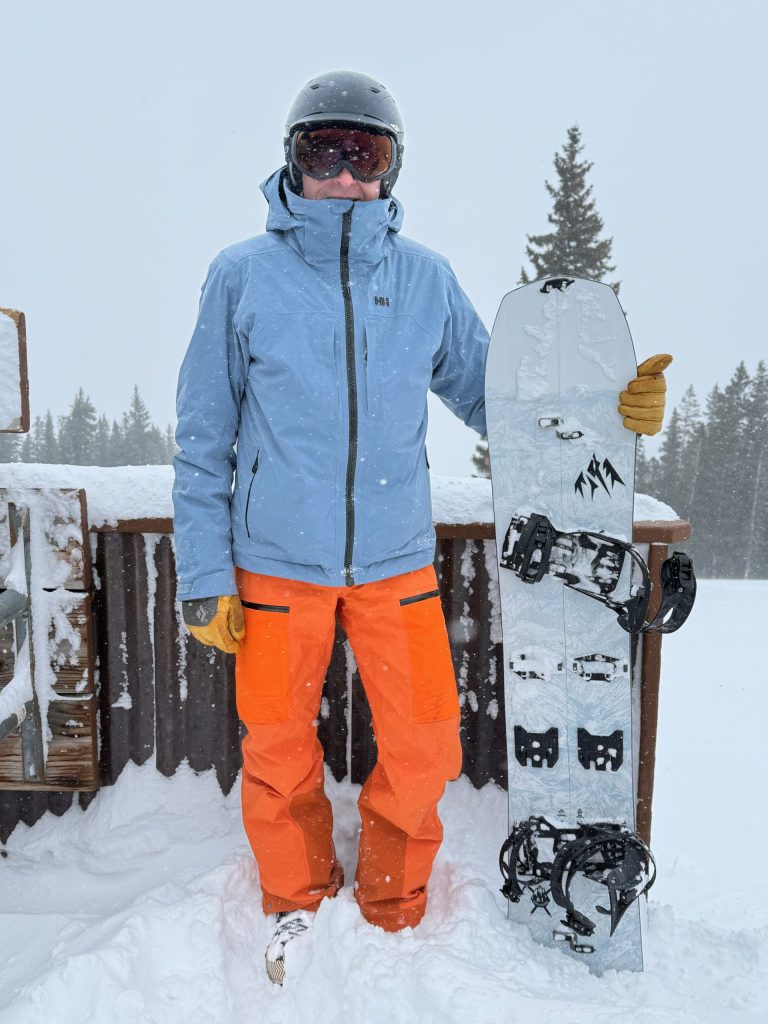
Helly Hansen’s Atlas Infinity Stretch Jacket (MSRP $825) is a waterproof freeride and resort-focused ski jacket filled with PrimaLoft Gold CrossCore, which incorporates aerogel technology. Aerogel is one of the world’s best insulating materials as it is the lightest solid material on earth and was originally developed by NASA. PrimaLoft’s CrossCore construction weaves it directly into the fiber matrix. The result is a dramatic improvement in warmth-to-weight ratio, delivering exceptional heat retention in an ultralight, highly compressible package. Gold CrossCore does not use the PURE technology mentioned above.
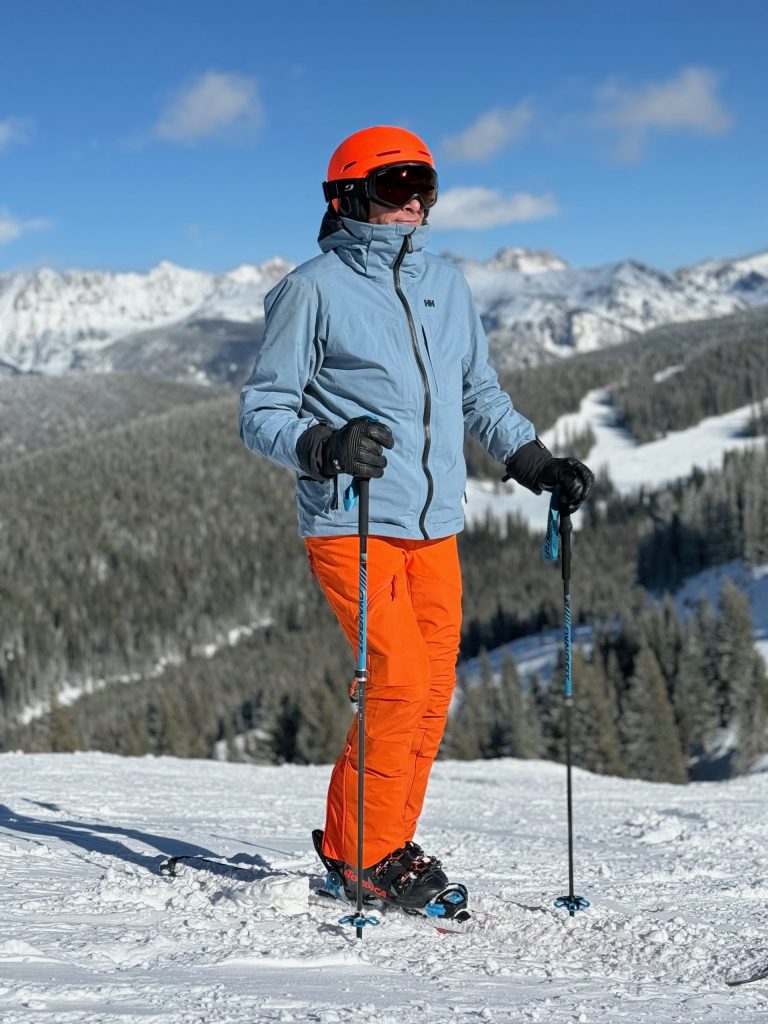
With that said, I cannot say this jacket was lightweight, but that’s not because of the insulation. The Atlas Infinity has all kinds of resort-specific bells and whistles that I found to be quite enjoyable, a nice departure from my historical orientation to the fast-and-light—kind of like trading in your camp chair for a recliner leather couch with built-in beer cozies. I won’t get too far into the details of it, but just to give an example, the chest pocket comes complete with a stowaway rubbery cell-phone holder with extendable leash. But to the point, this jacket was wa-arm! Hot actually. I’m usually the guy with five layers, fiddling with things on and off throughout the day. With the Atlas Infinity, I literally just needed a single thin base layer underneath on the coldest days. I had planned on dropping this puppy off at the local second-hand gear shop after the test, but nope, I’m keeping this one.
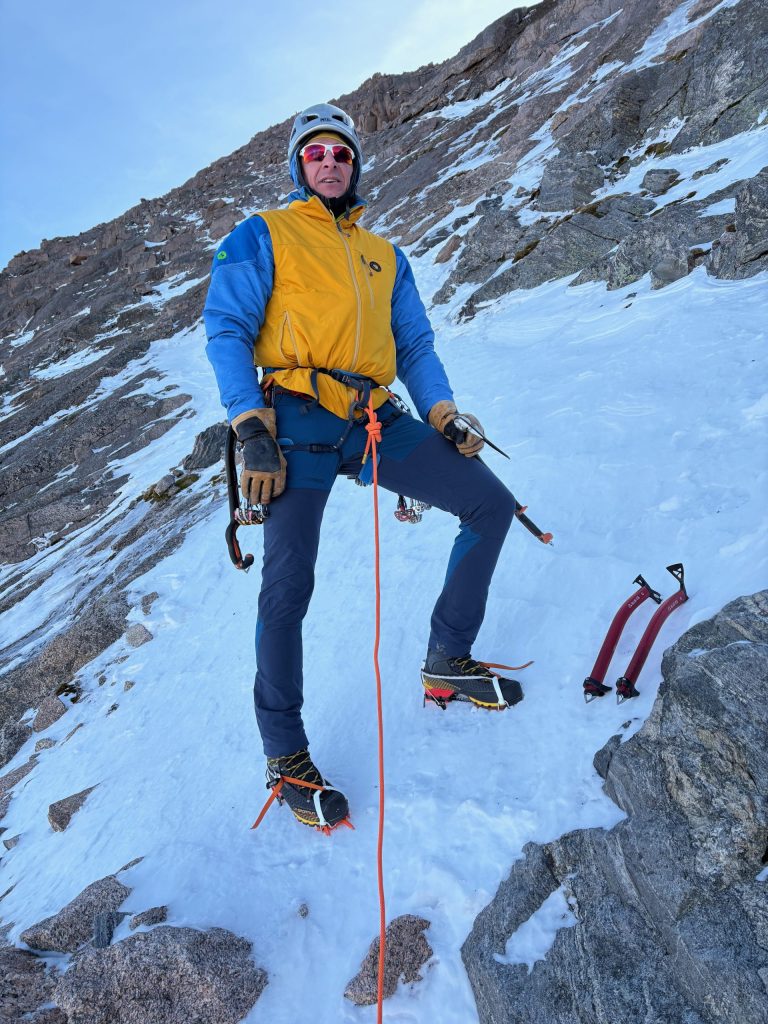
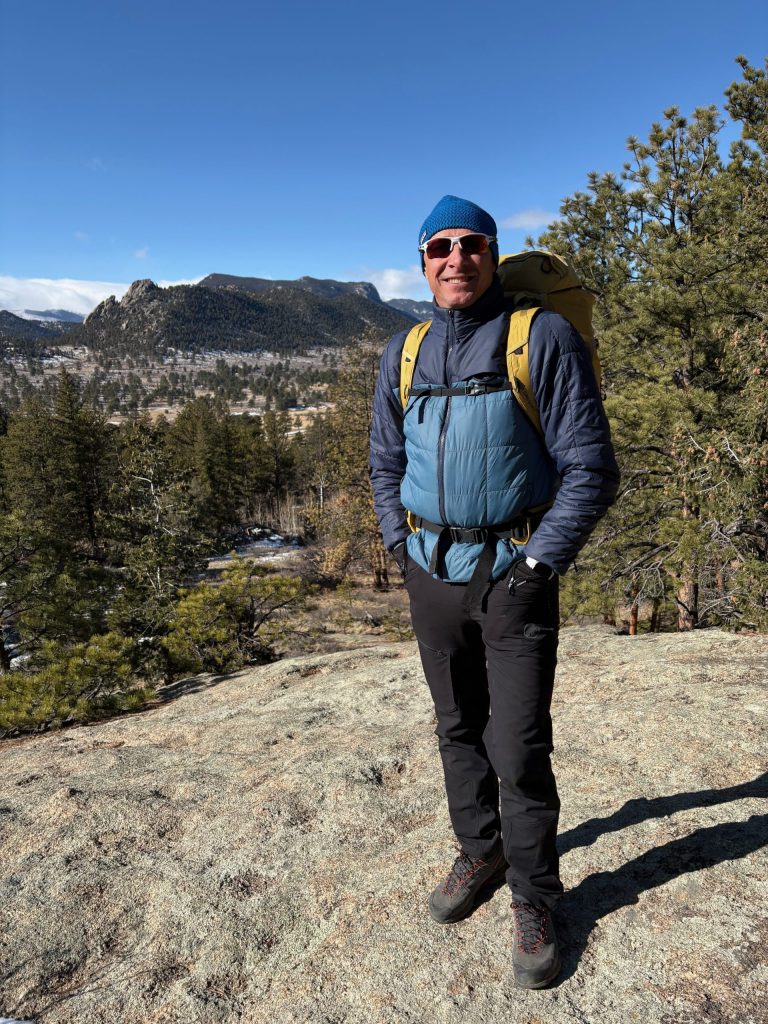
Fjällräven’s Bergtagen 60 Insulation Vest (MSRP $215) uses PrimaLoft Silver, which, like the Gold, is filled with 100% recycled material and made to the PURE standard. Compared to the Gold, Primaloft’s Silver technology is less expensive, slightly heavier, is considered to be more breathable and better able to handle more active sweat-intensive activity (versus more static activities like sitting on a chairlift at the resort), and is more durable. I had never found much use for insulated vests in the past, but the Bergtagen really sold me on the concept. It really did feel like putting on a mini-sleeping bag, adding a tremendous amount of warmth to my core while still allowing my arms to stay mobile and ready for action. Both the Gold and the Silver are considered to hold heat well when wet; I’m honestly glad I didn’t have a chance to test out this scenario, other than some moist gloves at the resort.
The PrimaLoft website suggests, “Both Gold and Silver level products retain more than 94% of warmth when wet and dry four times faster than untreated down.” Synthetic jackets tend to be my jacket of choice in most scenarios for these reasons. Synthetic sleeping bags are much bulkier and heavier than down ones, so I choose down when I am carrying heavy loads for long distances, but for front-country adventures, car camping and certain expeditions that tend toward dampness without opportunities for drying, synthetic insulation is the way to go.
Regarding the Bergtagen Vest, it is helpful to know that the cut is a bit loose and can fit over a number of layers, so if you’re looking for more of a streamlined athletic fit, you might check out one of their other vest options.
Flylow’s Dexter Jacket (MSRP $260) uses PrimaLoft’s Black insulation, which is a more affordable insultation than the Gold and Silver and is made more for casual and lightly active use; it still uses 100% recycled material. Clo stands for Clothing Insulation and is a unit of measurement that describes the level of warmth a specific insulation holds. The Black holds 65%, the Silver 79%, and the Gold 92%. The Dexter compresses into the small corner of a pack and works well as an extra layer at uphill breaks and equally as a not-too-hot stylish layer to chill Après. Short pit-zips even turn the Dexter into an uphill travel layer on cold days. I appreciated that I could toss both this Flylow jacket and Fjällräven’s Bergtagen in the wash as many times as I liked without fear of losing loft and warmth like you might with a down jacket.
PrimaLoft has been around for 40 years and puts a lot of time and effort into research for their products. They have a strong commitment to sustainability by: 1) using recycled materials (mostly from water bottles), 2) making their materials recyclable once used and ready for retirement, 3) making certain materials that can be taken back by nature (PrimaLoft BIO), and 4) by reducing emissions during the manufacturing process. It’s hard for me to be precise about how effective these four items are in comparison to other garments without the use of a scientific lab, and especially comparing the insulation itself to other brand insulations. I can say that these items all did the job for me over the course of an entire winter, and they are still going strong. Many other top brands such as Patagonia and Black Diamond use PrimaLoft for their synthetic insulation, so that says something as well. PrimaLoft is not the only brand in the business of producing sustainable high-end products, but we can easily say they are a leader, if not the leader.
Is your average skier on a wintry Saturday at Powder Mountain going to know the difference between their low-end ski jacket bought at the local ski rental shop and a multi-hundo-dollar top-shelfer? Probably not, though maybe once the zipper breaks or gets caught on the material inside, the whole thing quickly begins to smell like aging nylon, and they realize the basic design looks more like a barrel than active wear, they might notice something. But my guess is that those spending a day out along the Icefields Parkway in Alberta, Canada, say on Polar Circus or the Weeping Walls, will be glad to have the most heat for the least weight capped in quality materials designed to avoid zipper snags and poor sweat management. And for a certain number, it will make them feel even better that they helped reduce the number of plastic water bottles slowly dissolving into the earth in some poorly built landfill outside one of our major cities (have you driven I-15 north of Las Vegas recently—yikes).
Pros: eco-conscious and active; multiple types of insulations to fit the situations; highly researched and designed for performance and durability; high warmth-to-weight ratios and even when wet
Cons: more expensive than what you’ll find at Target
Mike Lewis is the editor and program manager of the Mountain Standards department at Alpinist. Mike is also an IFMGA/AMGA Mountain Guide, psychotherapist, and dedicated mountain athlete living in Boulder, Colorado. Find Mike on Instagram at @lunchboxjackson.