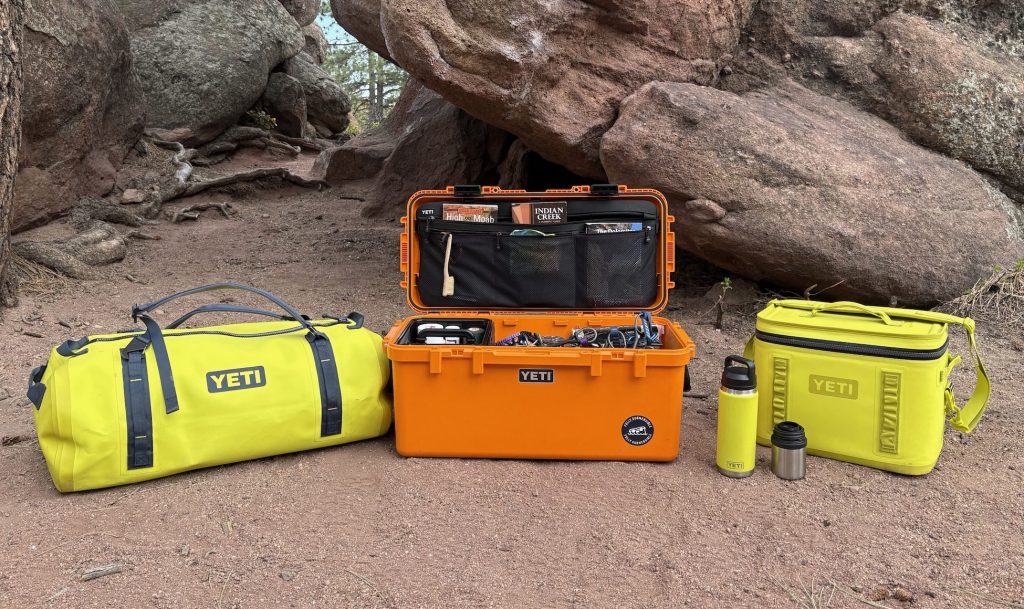
Panga 75L Waterproof Duffel (MSRP $350), Hopper Flip 18L Soft Cooler (MSRP $300), Rambler Bottle 26oz (MSRP $40) w/5oz Cup Cap (MSRP $30), Loadout Gobox 60L Gear Case w/Loadout Gobox Caddy (MSRP $300)
For years I have been saying to myself, YETI—what’s the hype? I mean, won’t a good ol’ Coleman cooler from Walmart do the job? Years of seeing YETI stickers on 4Runners and YETI written all over the Freeride World Tour’s finish zone finally piqued my curiosity. So here we are, six months and a winter full of road trips later, and I’ve got something useful (I think) to say about this company, well at least about these four tested items. In short: Bomber as F$&K.
Solid is my go-to. I’m not a fan of half-ass anything and the outdoor industry seems to have gone a bit too far into its obsession with light-and-flimsy, IMO. Having spent most nights of my life under the stars during my twenties and thirties, half of my forties, and some of my fifties, I have learned there are consequences for laziness, mindlessness and poorly made mountain equipment. Bears, ravens, micro-critters, wind, sun, water, rangers and foreign vagabonds trying to extend their roadtrips will teach you a lesson or twelve if you’re not careful. So yeah, I like a bombproof alpine camp, a mouse-proof road-rig, a tip-ready raft, and more than anything, gear that is made to endure.
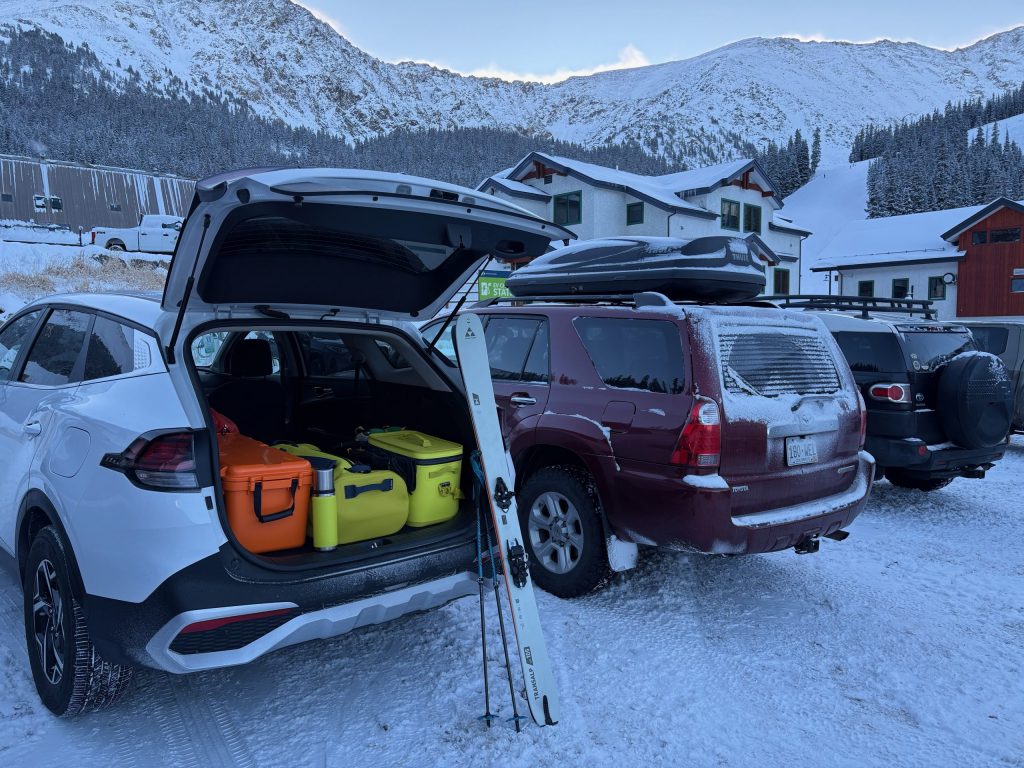
YETI’s Panga Duffle, Hopper Flip Soft Cooler, Rambler Bottle with Cup Cap, and Loadout Gobox Gear Case were all fantastic additions to my front- and backcountry adventure kits. I tested these items through the winter and early spring including a six-week ski trip to Canada, mountain bike day trips, Flatirons scrambles, day hikes, and cragging days. I am excited to tell you what I found.
The Panga Waterproof Duffle comes in 50L ($325), 75L ($350), and 100L ($400) options and in a few different colors; it can be carried for short distances as a backpack, and it is, as the name suggests, waterproof—most duffle bags made by climbing-focused companies are not. To create waterproofness, the zipper moves in one straight line across the top. In comparison, most expedition duffles have a U-shaped zipper that provides a much larger opening, making loading and searching for specific items easier. For a weekend getaway where your duffle isn’t going to be outside of the trunk and when rain and snow are not an issue, I’d go for a climbing duffle with U-shaped access. For expeditions and trips where you are likely to get wet and you’ll have to set your duffle outside the tent overnight, this waterproofed option will be ideal.
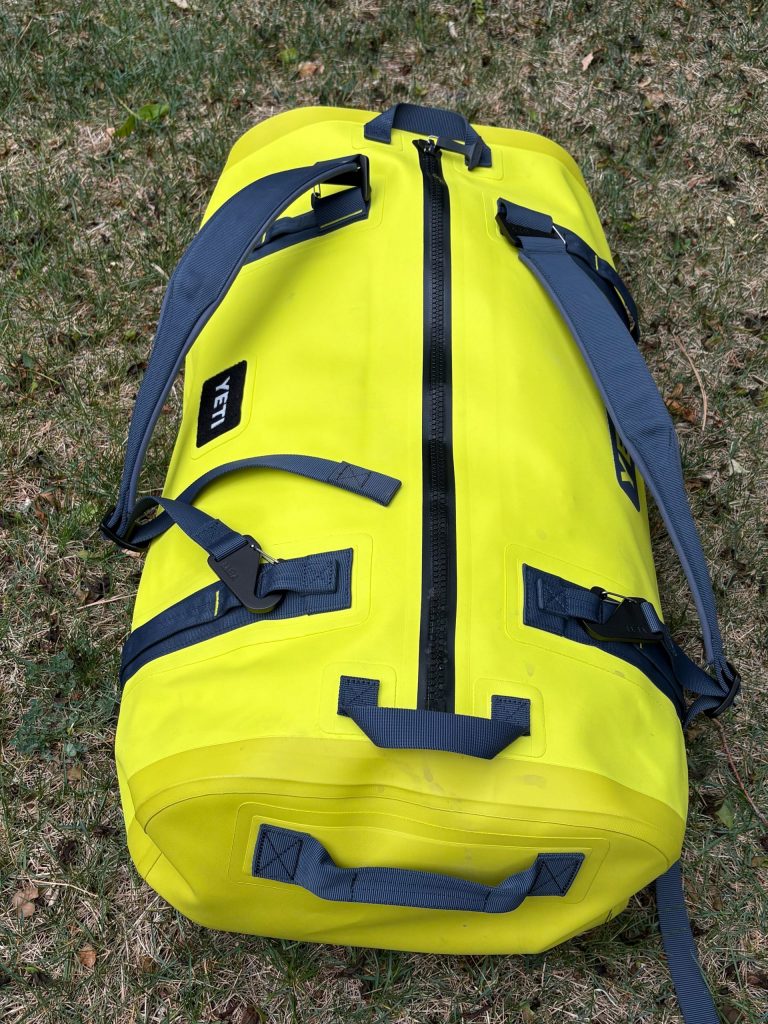
Two examples of ideal scenarios come to mind: 1) Two weeks of volcano romping in wet and wily Ecuador including camping out of and traveling around in your guide’s open-bedded Toyota Hilux; and 2) A bush-pilot drop-off at your remote basecamp in Alaska for a few weeks of solitude and spring ski-mountaineering. The puncture-resistant ThickSkin Shell is tough, and I would not hesitate to toss this duffle off a mule or helicopter onto a wet or rocky/spiney ground surface. The zipper has a handy T-shaped tab that makes for easy pulling across the thick teeth. I tested the 75L version which was great for most of my adventures this winter, but I’d go with the 100L had I the choice again—I mean, why not bring the extra socks and undies, you know?
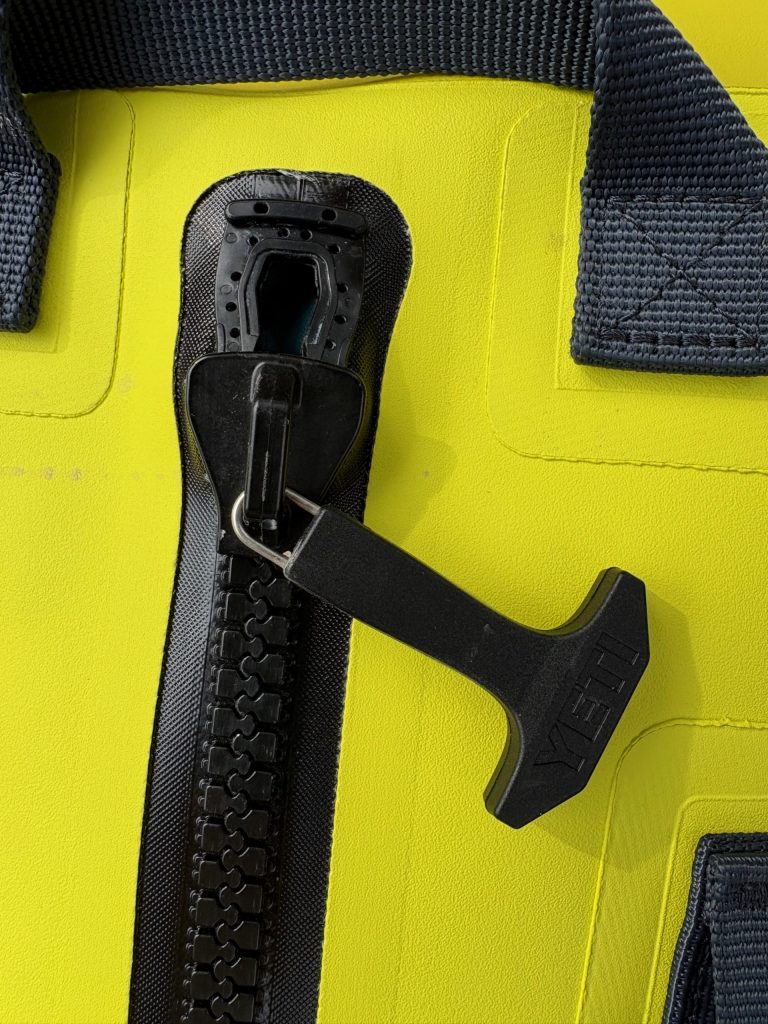
Only a couple of issues are worth consideration. Be careful with the lube-protected zipper when a combination of wind and sand are present (ex: Utah desert, Aconcagua approach); the lube makes zipping easier but doubles as a sand-magnet. It would be nice to be able to lock the zipper to reduce the potential for theft when traveling internationally on airlines and buses. And important to note for you expedition climbers and guides: the architecture and structure of the Panga is solid but bulky, so it will take up a lot of room when stuffed into another duffle or carried empty on the outside of a porter’s pack.
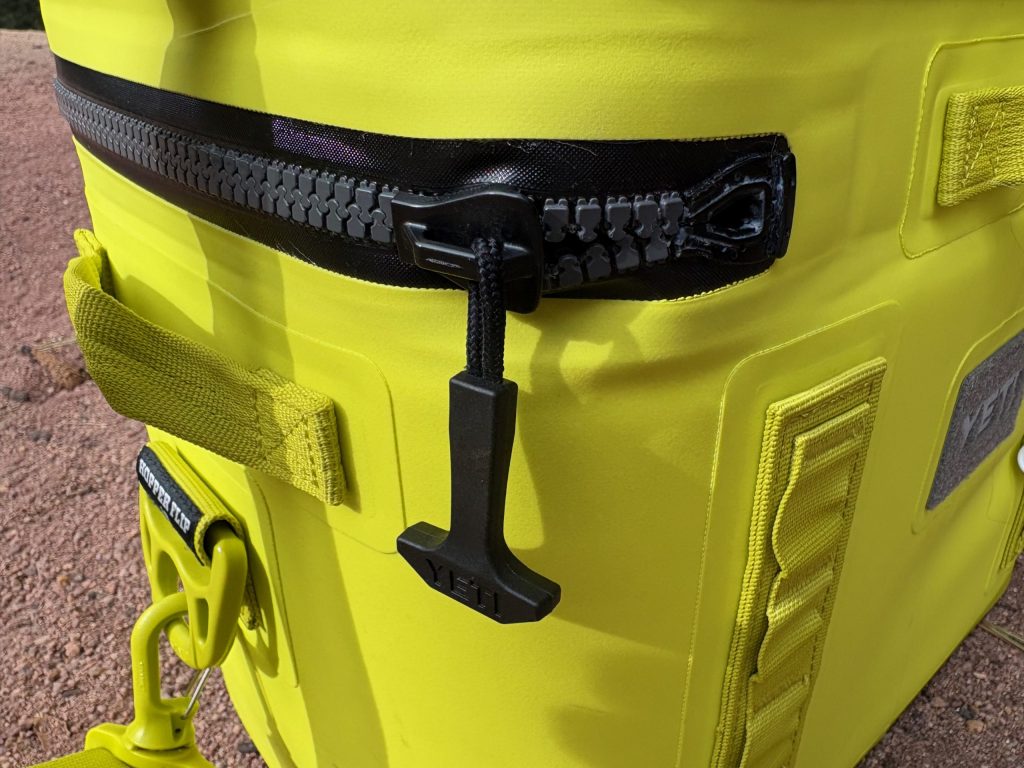
The Hopper Flip Soft Cooler comes in 8L ($200), 12L ($250), and 18L ($300) options and a large variety of colors. Multiple handles, a padded shoulder strap, and that it’s waterproof make hefting this cooler around stress-free and leakproof. The large-toothed wrap-around zipper has a T-shaped tab that makes pulling the zipper less strenuous; right at the end, you’ve got to crank a little harder to pop it into the final position that creates the waterproof seal. Opening and closing a classic lid-hinged cooler is much easier and faster than the Hopper Flip, so if you and your crew are getting rowdy and going in and out for brewskis, you might choose the more traditional route. But if you’re truly trying to keep the cool in and the heat out and you’ve got some potentially leaky items that you don’t want splattered all over the inside of your car or ski-sled, the Hopper Flip will no doubt do the job.
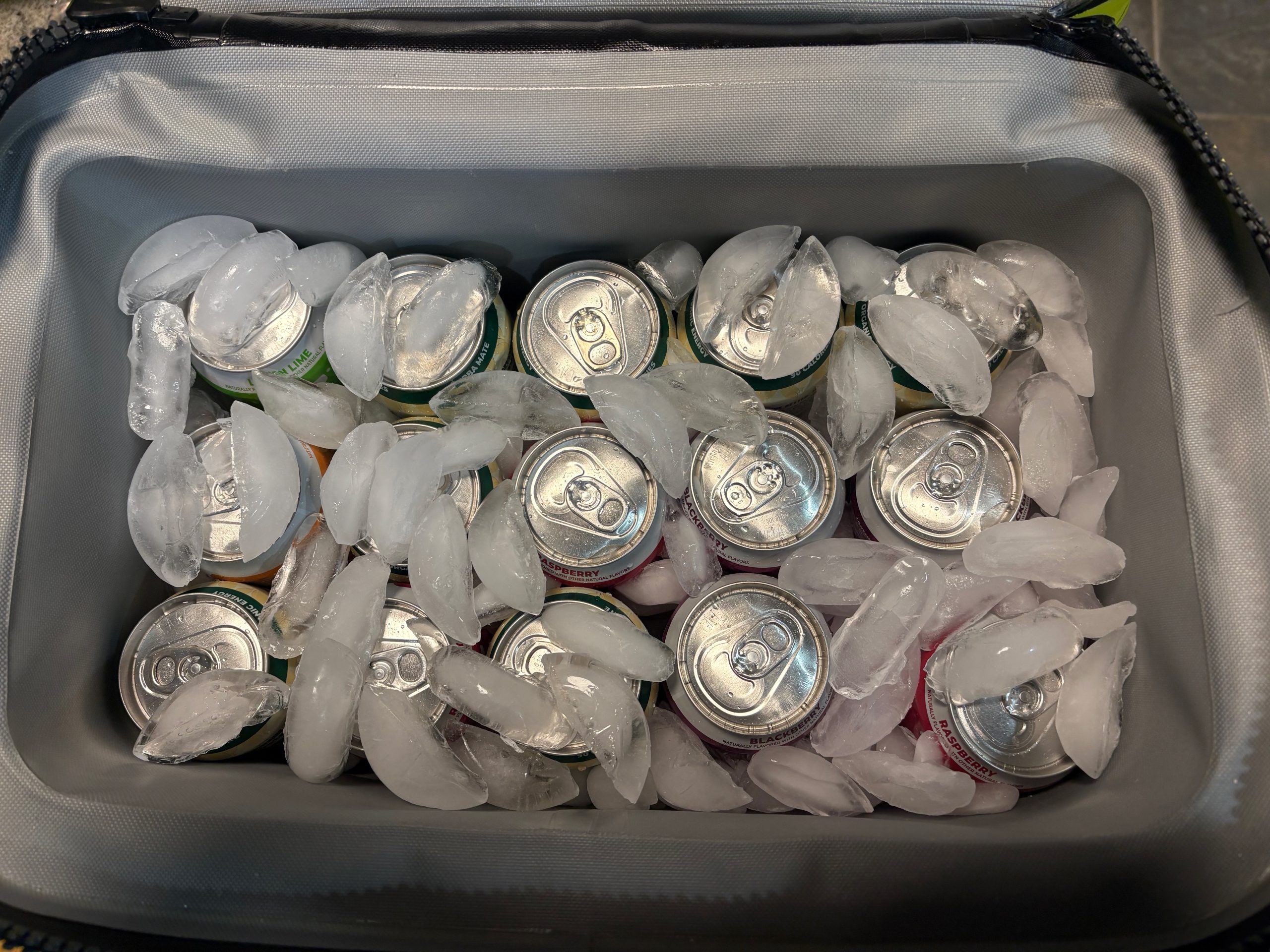
The 18L was a good size for car-packing a weekend’s worth of breakfast and sandwich items and for carrying around the crag in places such as Rifle, Colorado, where the approaches are minimal. This cooler is light, flexible, padded, and the zippered closure provides fool-proof waterproofing, so it can be tossed off mules, rafts, and the back of trucks. The soft edges carry against the body well versus a hard-cased cooler that needs to be carried by hand. No obvious downsides presented themselves with this cooler, minus the more effortful entry compared to a clip-closed or non-waterproof cooler. For continued use, the zipper requires occasional re-application of a provided lube; this can help in dry environments, but can also attract sand in the desert.
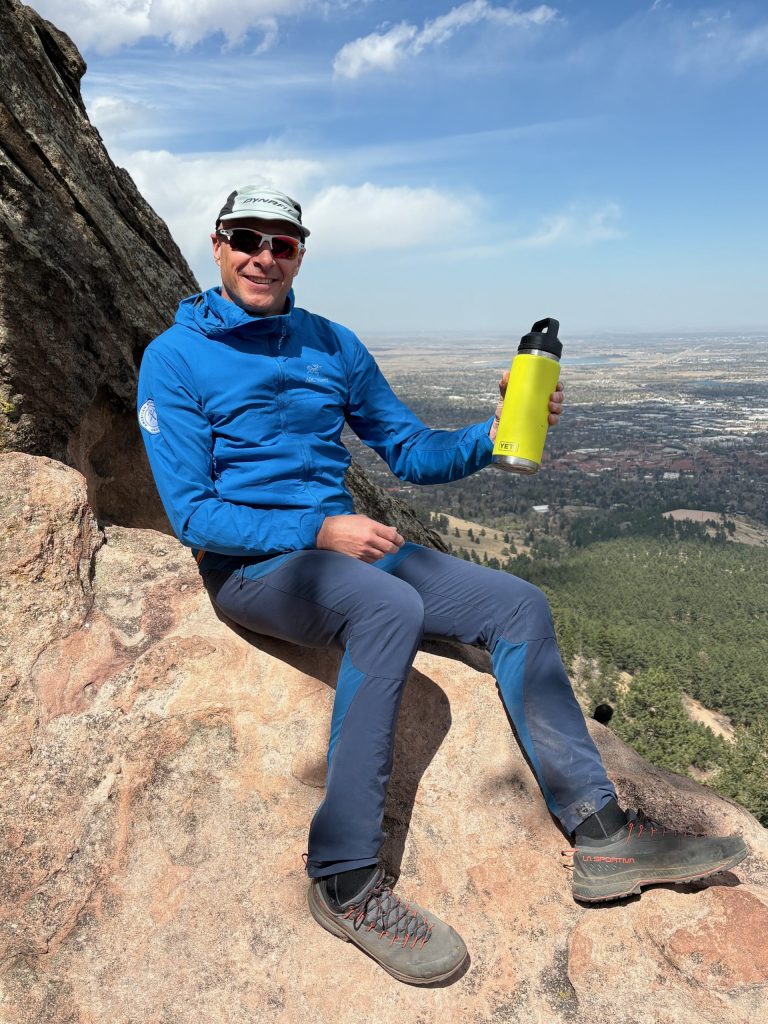
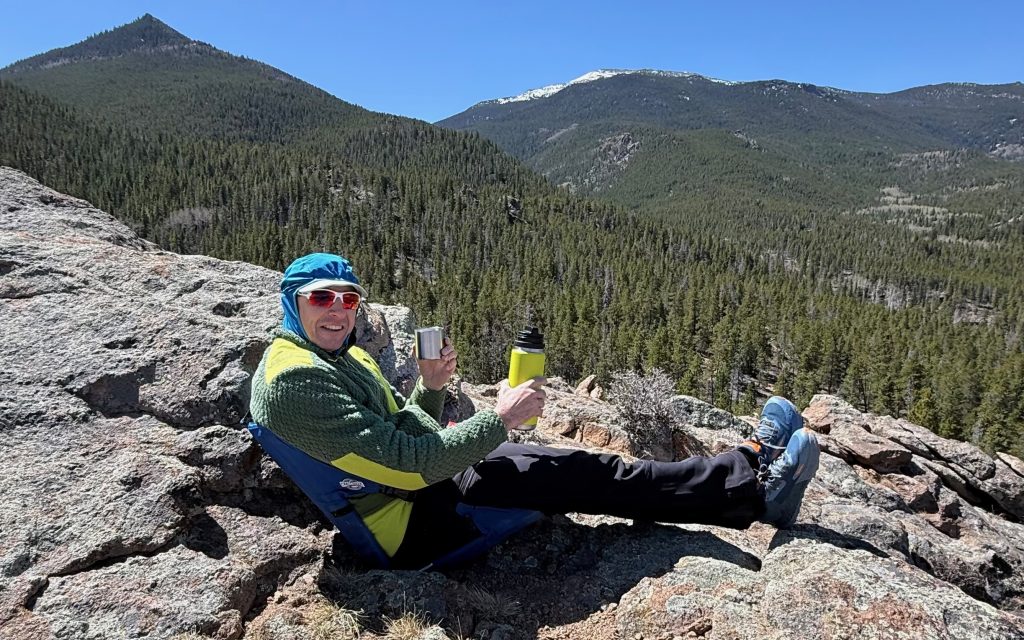
The durable 26oz Rambler Bottle ($40, 1.4lbs) comes in a variety of colors and volumes and can be accessorized with the 5oz Cup Cap ($30) to add hot soups, teas, and coffee drinks to the cruiser backcountry ski or cold November cragging day. Not your first choices for fast-and-light all-day adventures due to their very noticeable weights, these items are designed for insulation and added comfort. Liquids kept their heat throughout the ski days and my iced coffees remained cool for hours in the spring. The funnel-shaped, centered drinking spout was unique and truly the smoothest sip I have experienced of any water bottle ever—an initial moment of skepticism was immediately squashed. The Cup Cap is well-designed for functionality, though quite heavy and bulky.
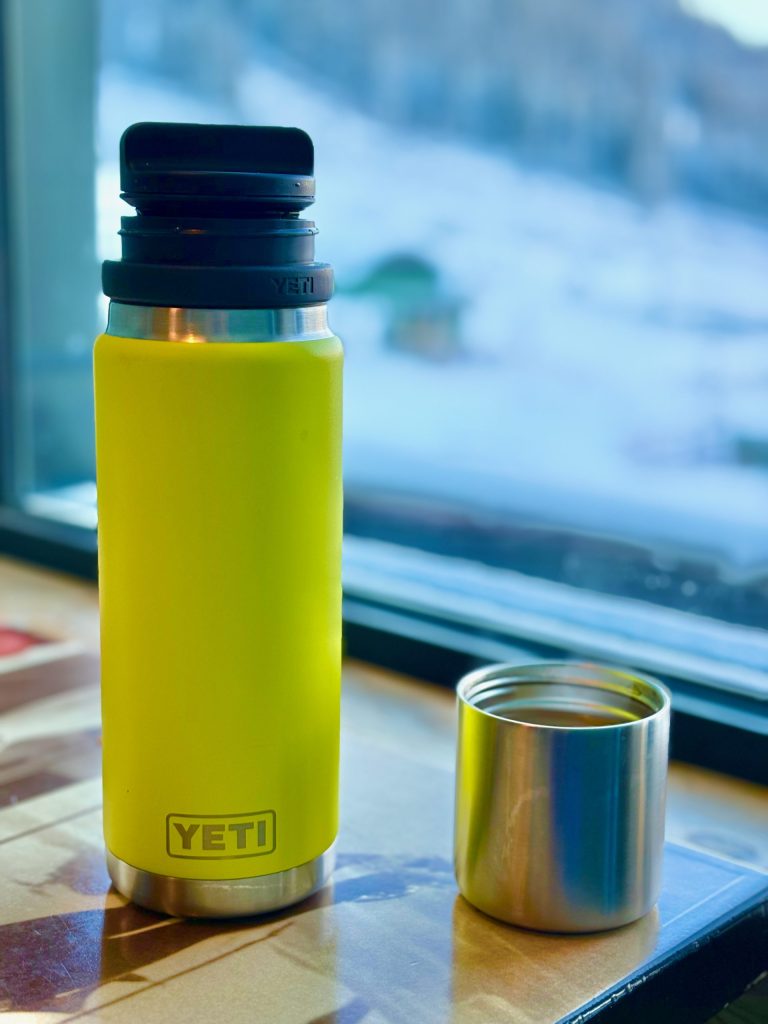
One minor annoyance is worth mentioning as a note to the manufacturers, though it shouldn’t be a deterrent from purchasing. The bottle comes with the screw-on drinking spout and screw-on lid, and when using the Cup Cap, these two items are ditched and two additional screw-on pieces are added. Often, and in either normal or Cup-Cap-mode, when attempting to remove the top screw-on lid or cup to get a drink or pour some soup, both pieces stuck together and came off as one. On many, many occasions, I had to re-screw both pieces back on and very mindfully hold the bottom part in place while unscrewing the lid or cup—maybe there could be some kind of locking mechanism to keep the bottom piece in place.
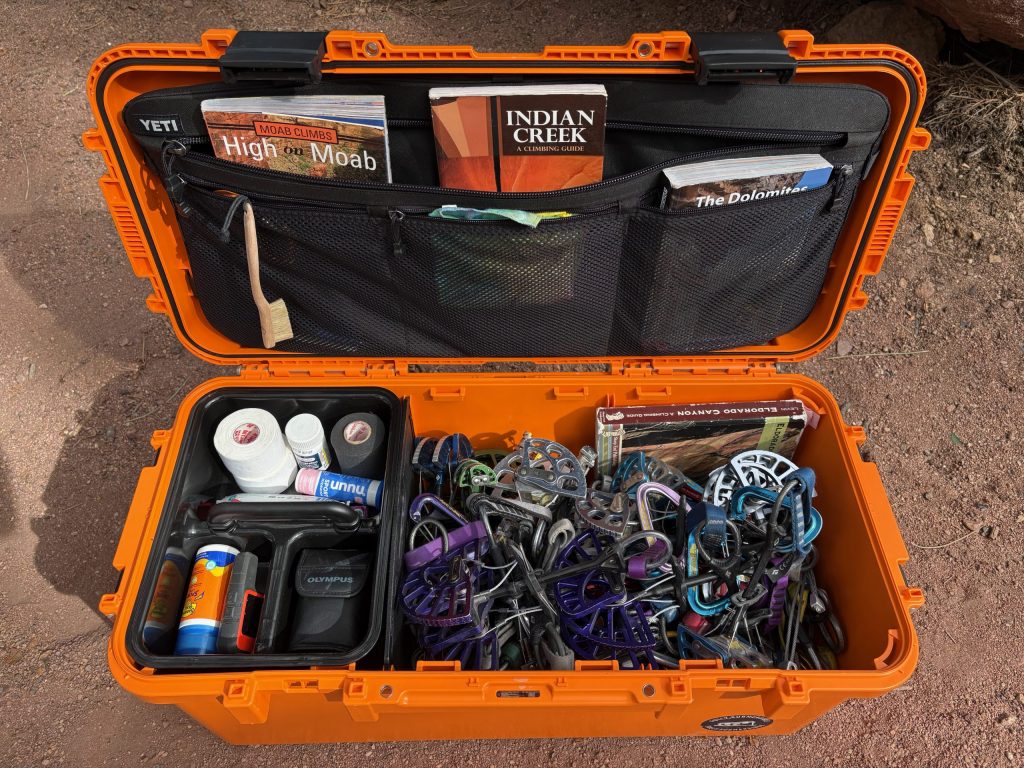
The Loadout Gobox Gear Case ($300) with an included removable Loadout Gobox Caddy comes in multiple sizes (60L, 30L, 15L), is waterproof and has an additional removable organizer under the lid for smaller items. I used the Gobox Gear Case primarily for ski gear over the winter; it pretty much lived in the back of my or my partner’s cars and made organizing easy and less stressful. As spring came, I transitioned to climbing on the Colorado Front Range and again, the extra organization was welcomed. The Gobox case seems to find a good balance between not being too heavy, but being durable enough to handle some serious wear and tear. When adding my 170lbs of downward weight atop, it flexed a little but not much; my impulse said, Jump!, but my intuition said, Don’t!—I think that would have pushed the box a little too far. Burlier boxes exist out there, and they will be a bit heavier. The Loadout Gobox is not insulated and therefore not meant to be a cooler, though it could suffice in the short-term. Consider this box for multi-day river trips (for camping and kitchen gear), weeklong heli-drops, truck- and mule-accessed expeditions, car camping, and air travel (I’d add an extra belt around to make sure it stayed shut). This box can be locked.
After spending the winter with these YETI items, I get it. I can slide back into many memories over the last 30 years when YETI gear would have added extra security, waterproofing, and general logistical ease. Necessary—no. Really nice to have—absolutely.
Mike Lewis is the editor and program manager of the Mountain Standards department at Alpinist. Mike is also an IFMGA/AMGA Mountain Guide, psychotherapist, and dedicated mountain athlete living in Boulder, Colorado. Find Mike on Instagram at @lunchboxjackson.