
[These reviews originally appeared in Alpinist 95 (Autumn 2026), which is available on newsstands and in our online store. Only a small fraction of our many long-form stories from the print edition are ever uploaded to Alpinist.com. Be sure to pick up the hard copies of Alpinist for all the goodness!–Ed.]
For our Autumn issue, scientist and writer Sarah Boon explored Erratica: On Climbing Language, and Touching Stone by Brian Laidlaw. Meanwhile, Derek Franz considered two books: The Shadow of the Climber: The Psychology of Extreme Sports by Michael J. Herr and The Gap Years: Climbing, Skiing, and the Journey Back by Tom French.
Erratica: On Climbing, Language, and Touching Stone
Brian Laidlaw
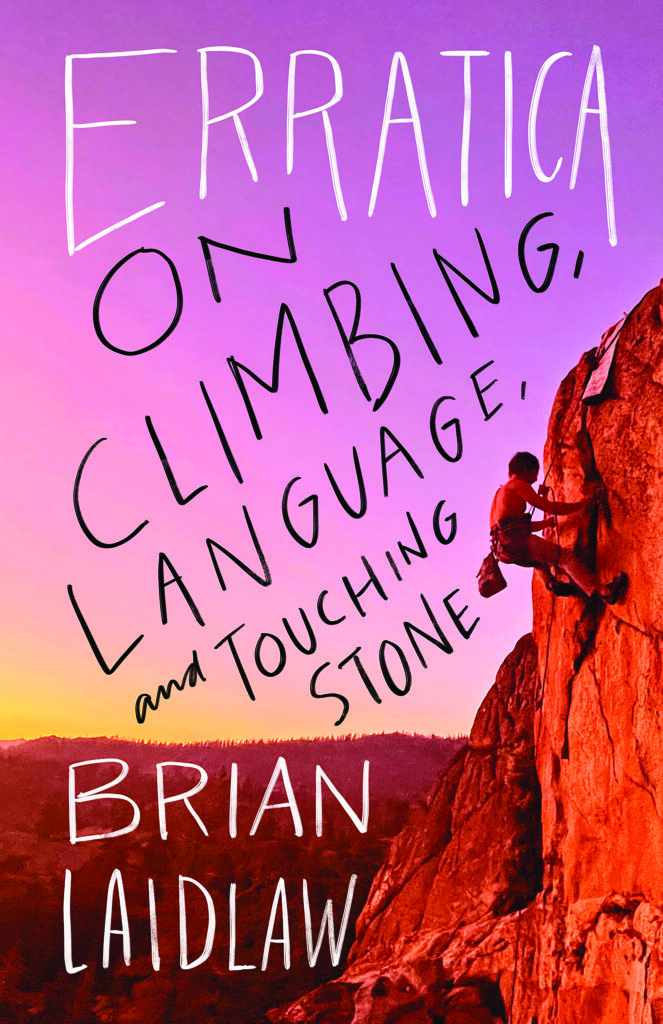
When I started reading Brian Laidlaw’s Erratica, I was immediately put off. He begins with a list of his climbing bona fides, which struck me as egotistical. But as I read further, I realized he was uncertain, not egotistical. This is because Laidlaw is not a typical climber, and this is not a typical climbing book. Laidlaw has climbed routes up to 5.13 and V10, but he’s also a creative writing professor and a songwriter—and Erratica is so much more than just a climbing memoir.
Typically, these types of books consist of climb after climb with some danger and romance thrown in. Laidlaw sees climbing—and the landscape—differently. He’s like an anthropologist while listening to people use climber-speak when bouldering and watching them mime the positions they’d use to solve a tricky problem. He is philosophical, noting that a climb is not just about physical movement. I haven’t often found this kind of appreciation of the rock and how it was made in standard climbing memoirs. Laidlaw is an oddity who brings a box of books on a climbing trip, and scribbles notes for possible poems during in-between moments. He gets at the beating heart of the activity: the moments he knew his crash pad wasn’t properly placed to catch him if he fell, the moonlit climbs he embarked on with friends, even the grind up El Capitan after losing the majority of a haulbag’s contents.
I highly recommend this book for anyone willing to dive deeper into what it means to climb.
—Sarah Boon
The Shadow of the Climber: The Psychology of Extreme Sports
Michael J. Herr
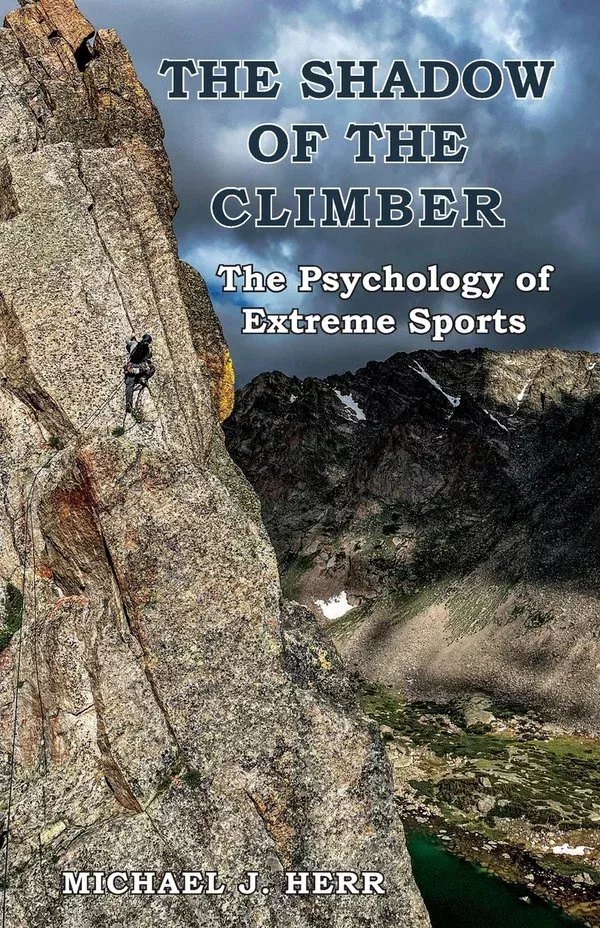
Climbers have pondered the question of why they climb for as long as they’ve written about it. The Shadow of the Climber: The Psychology of Extreme Sports moves the conversation forward with impressive efficiency and a touch of humor. In a mere ninety-two pages, Michael J. Herr breaks down complex psychological concepts into bite-size nuggets that may help us better understand our motivations for the risks we choose to take.
Originally a boxer, Herr found climbing while finishing grad school and entering a career in social work. Though he was a very cautious climber from the start, he pursued it with zeal for ten years with the goal of becoming a certified guide. Then he watched a partner fall thirty feet to the ground and assisted in a bloody rescue. His partner lived to climb again, and Herr continues to climb, but “the event made me begin to question what I was doing and why I was doing it,” he writes.
As the title implies, the book is focused on psychiatrist Carl Jung’s concept of the “shadow” self. Herr quotes Jung: “Until the unconscious is made conscious, it will direct your life, and you will call it fate.” For his part, Herr writes: “There are many ways our shadow is revealed if you know where to look.… The illumination of one’s shadow and the discovery of hidden motives provide a beautiful gift—freedom from internal tyranny and the ability to make a conscious choice.”
As an editor who is often writing about, and helping others explore, such difficult topics, I am impressed by Herr’s work.
—Derek Franz
The Gap Years: Climbing, Skiing, and the Journey Back
Tom French
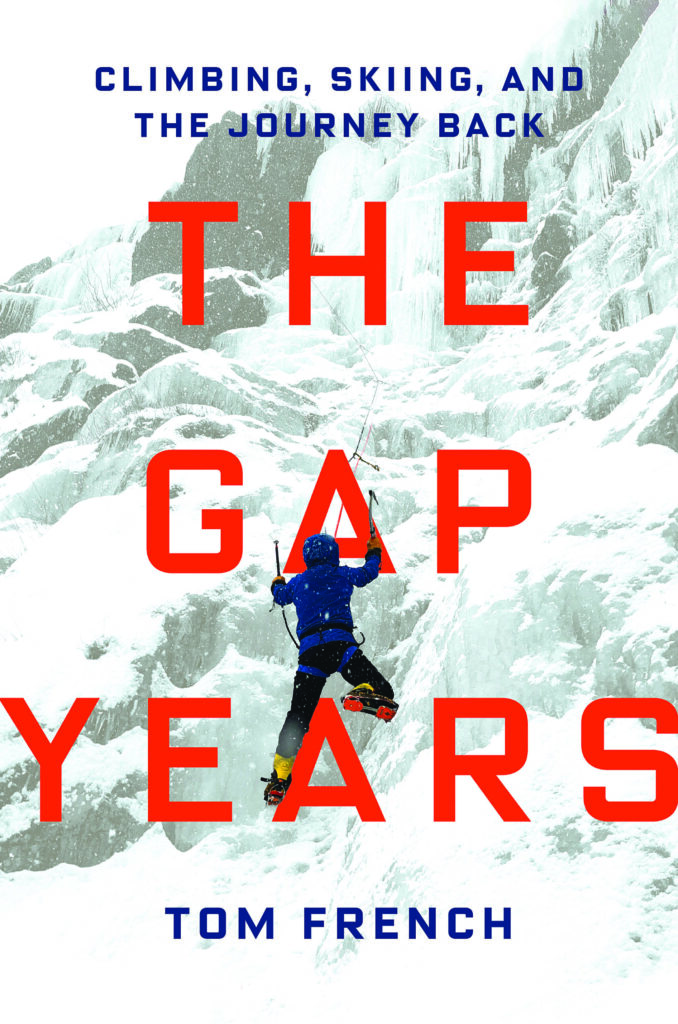
Tom French has led the well-rounded life that so many of us aspire to have. He’s studied and traveled the world, enjoyed adventures on land and water and met his wife in the process. He also built a highly successful career, raised three independent children and returned to Himalayan expeditions and cross-country ski racing in his sixties. All the while, he keeps a steady eye on the most important priorities, knowing when to go for it and when to back off (mostly). His zeal for the opportunities presented at each stage of life is palpable, and we can all learn something from his upbeat attitude.
Anyone who has lived to middle age can appreciate the challenges of maintaining a healthy mind and body while keeping up with a career and family responsibilities. French’s story unfolds like a road map for navigating life’s most important decisions (it’s almost annoying how simple he makes it sound). His success seems rooted in his ability to maintain a positive outlook in any situation and his undying love for the people in his life.
Besides that, the memoir takes readers on an entertaining joyride to all sorts of exotic locations as we follow French from his first “gap year” between high school and college to the late-stage “gap years” following his semiretirement from a career in business. The book includes color photos and several nice maps to immerse readers further. Along the way, French gives us a peek into the commercial scene on Mt. Everest from the perspective of a guided client who actually knows some things about climbing.
—Derek Franz