MSRP: Top Rope Solo Neck Lanyard ($29.50), Rip Strip Rope Protector ($32.50), Flex Link Anti-Cross Load Protector ($14.50)
There’s no denying that toprope soloing is one of the most efficient ways to get climbing mileage. Whether you’re a busy climber trying to squeeze in time on your project, an introvert who enjoys climbing alone, or someone racing up big routes via fix-and-follow tactics, TR soloing makes sense. The basic concept is simple: 1) fix a rope to an anchor, 2) attach yourself to progress-capture device(s), 3) check everything, and 4) start climbing. But anyone who’s done it knows there’s a lot of nuance that makes the experience smoother and safer.
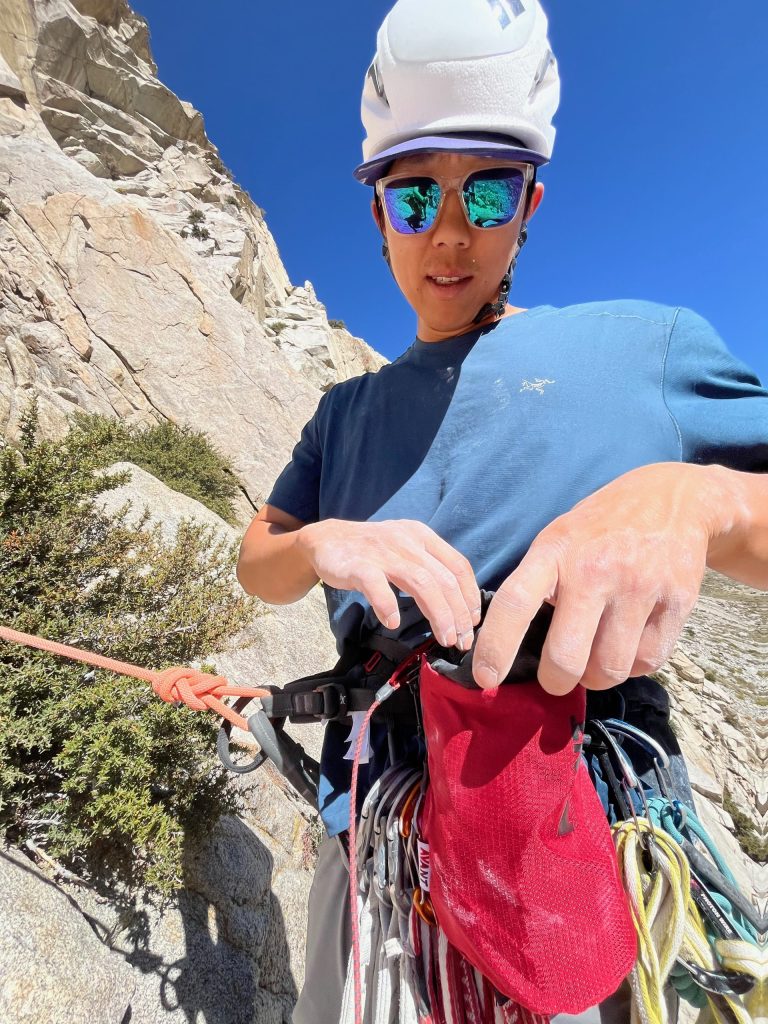
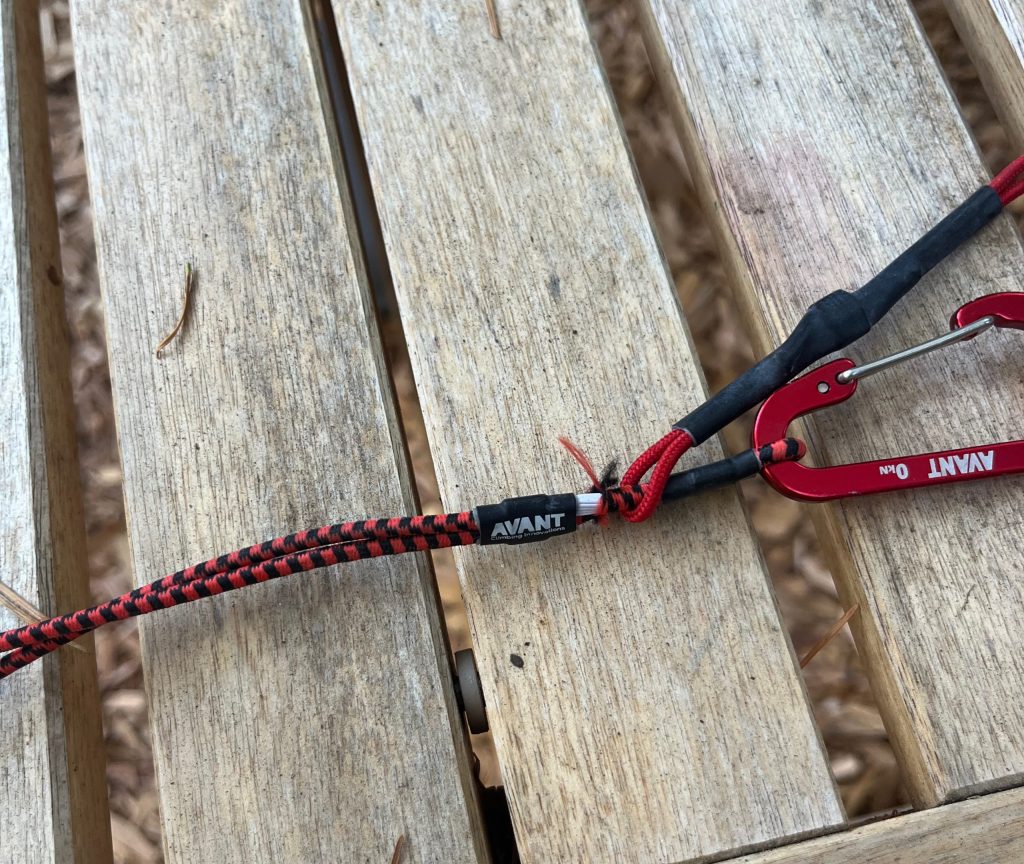
Brent Barghahn and his team at Avant Climbing Innovations have refined the details of rope soloing with purpose-built gear designed to solve common problems. Over the past few weeks, I replaced my DIY setups with Avant products and tested three items in a variety of climbing areas including Smith Rock, Squamish, the Eastern Sierra, Red Rock Canyon, and Portland’s local crags. The three items tested are the Top Rope Solo Neck Lanyard, The Rip Strip Rope Protector, and the Flex Link Anti-Cross Load Protector.
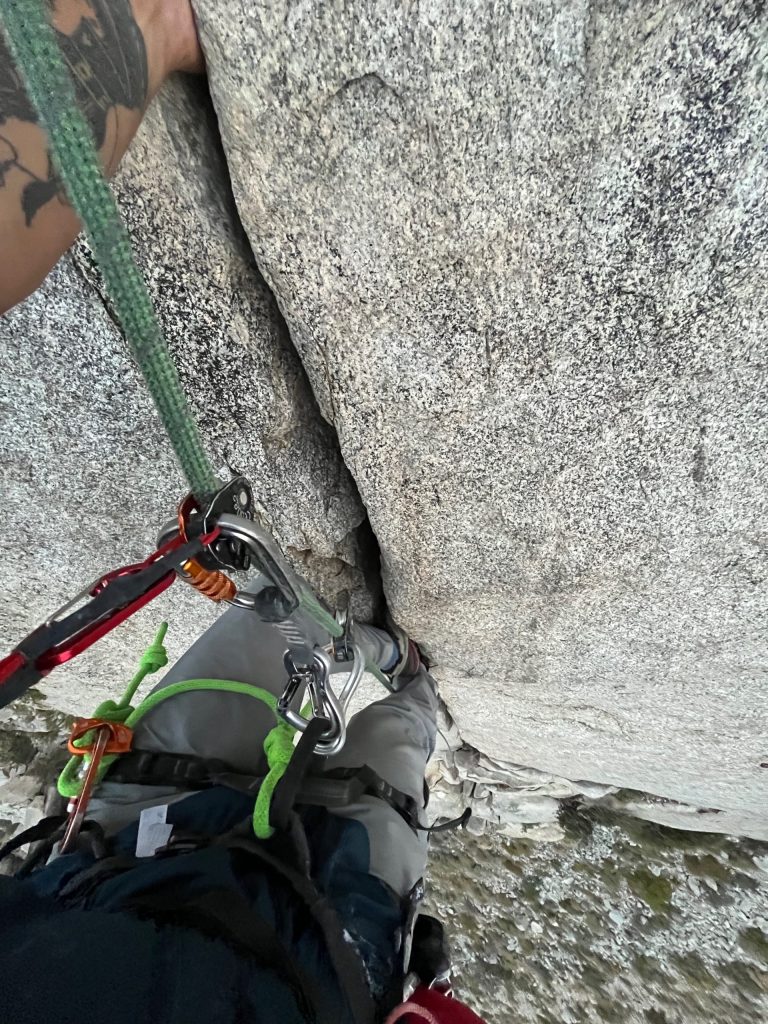
When free climbing upward along a fixed rope, the climber is typically attached to the rope using some form of a progress capture device (and usually two—one for back-up); examples include: the Petzl Micro and Nano Traxions, the Edelrid Spoc, the Taz Lov3, the AlternativeCurrent Sulu Go, the Wild Country Ropeman, and more. A neck lanyard, or something like it, is attached from the neck to the upper device, and is essential for keeping slack out of the system without constantly having to manage it manually with one’s hand(s). Proper automatic slack management not only facilitates a smooth flow of climbing rather than a stop-and-go mess, it’s also critical for safety. With toothed progress-capture devices, excess slack can lead to severe rope damage in the event of a fall.
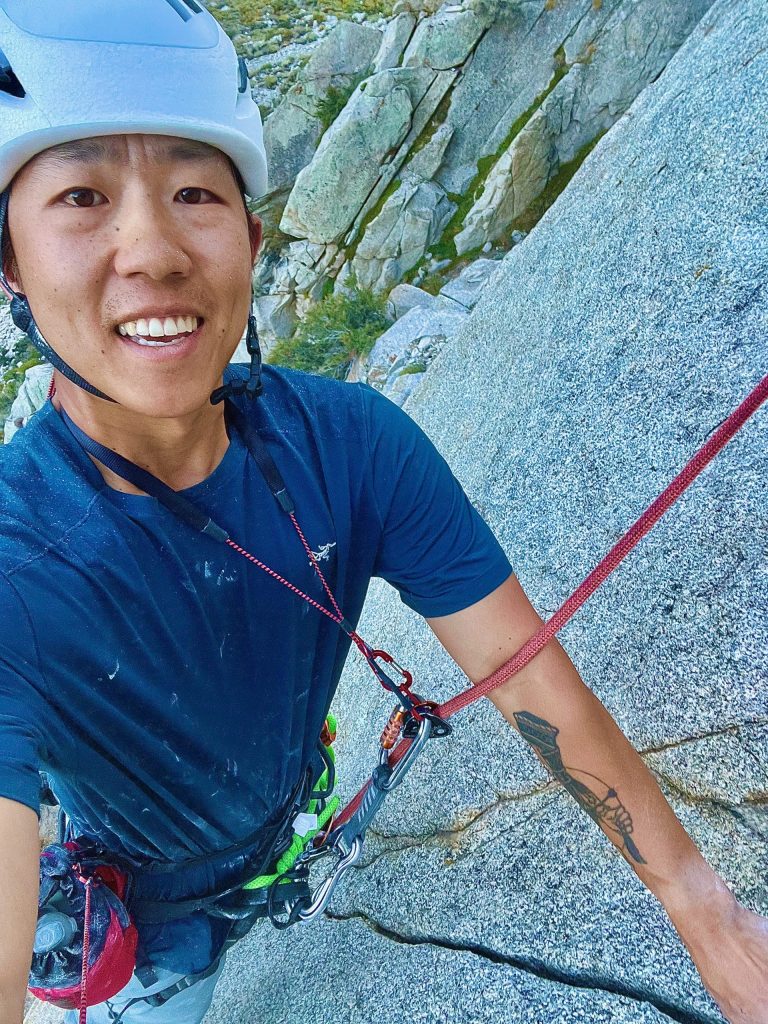
For years, I used a homemade lanyard made from shock cord and an old nylon sling, but Avant’s version is far easier to use. In the past, I have used the above-mentioned progress-capture devices—and I am sure that Avant’s lanyard would work with all of them; for this test, I used one Petzl Nano Traxion and one Micro Traxion. The adjustability in tension on the shock cord and accessory carabiner make it much more convenient and comfortable to use. The only concern with the Avant Top Rope Solo Neck Lanyard is regarding its durability—during my time using it, the bungee cord started to de-sheath. So far it has not affected the functionality of the product, nor do I believe it will continue to get worse over time. Aside from that, the Avant lanyard is better than most of the homemade solutions I’ve tried and seen in the field. [To this durability concern, Avant Climbing Innovations assured us that their products are warrantied and that it is rare their products wear like this.]
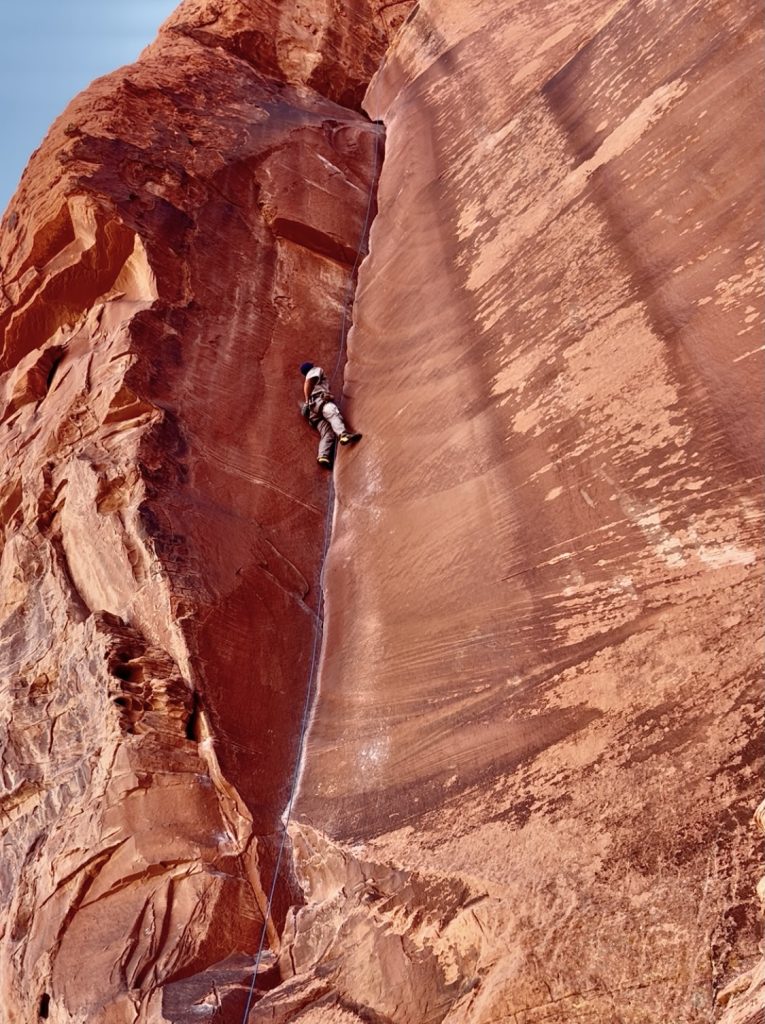
Next, the Rip Strip Rope Protector. Sharp edges are always a concern in climbing, but in TR soloing the same section of rope rubs repeatedly as you move side to side and bounce up and down if hanging and working out a hard move. That friction wears ropes quickly—and on a sharp edge, it could damage the rope severely, or even cut it, especially with repeated falls and hanging.
My old solution was wrapping a small square of canvas around the rope with a Velcro rope-tie and attaching it with a friction hitch, but it was such a hassle I rarely used it. Later I tried a bulky rope protector from a prominent climbing manufacturer, which rarely made it into the pack due to its clunkiness. Avant’s Rip Strip solves these problems—it installs easily, removes quickly when you are climbing through, and packs down very well.
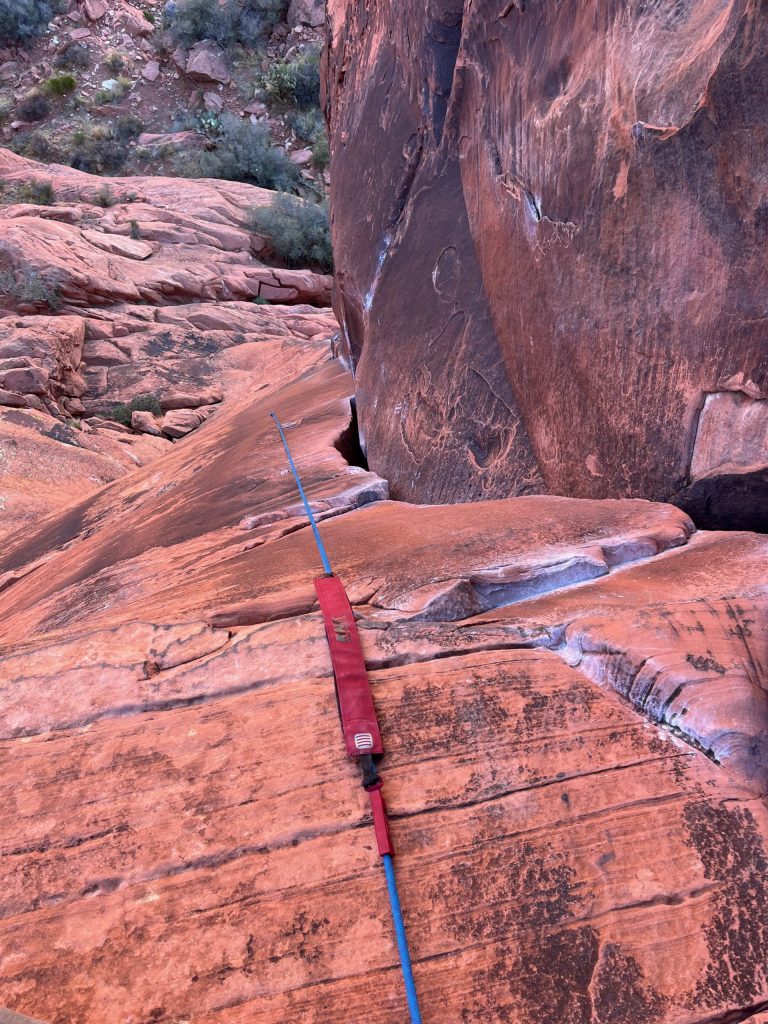
For those new to TR soloing, I want to highlight one of those three attributes just a little more. If you haven’t figured it out yet, one of the intentions behind further improving TR solo gear is to create a smooth experience of climbing, as if you were simply being belayed and not having to manage gear along the way—sort of like not having to clean gear or remove quickdraws when following on a multipitch route (though that can of course be enjoyable as well at times). The most amazing part of the Rip Strip is that you can rip the protector off the rope quite easily and efficiently and rack it on your harness, all with one hand; in comparison, the above-mentioned rope protector that I had previously used from another manufacturer was quite a bit harder to pull off the rope—it took multiple yanks to get off while the Rip Strip took only a single smooth pull.
Moving on, the Flex-Link Anti-Cross Load Protector is helpful when using a common assisted-braking belay device (Petzl GriGri, Edelrid Pinch, Trango Vergo) as your mechanism for progress capture instead of one of the above-mentioned lighter weight, non-belay devices (ex. Edelrid Spoc). In using one of the belay devices with a standard locking carabiner clipped to your belay loop, there is a high potential, and almost absolute surety, that the carabiner will cross-load, putting the force against the weaker sides of the carabiner in the event of a fall.
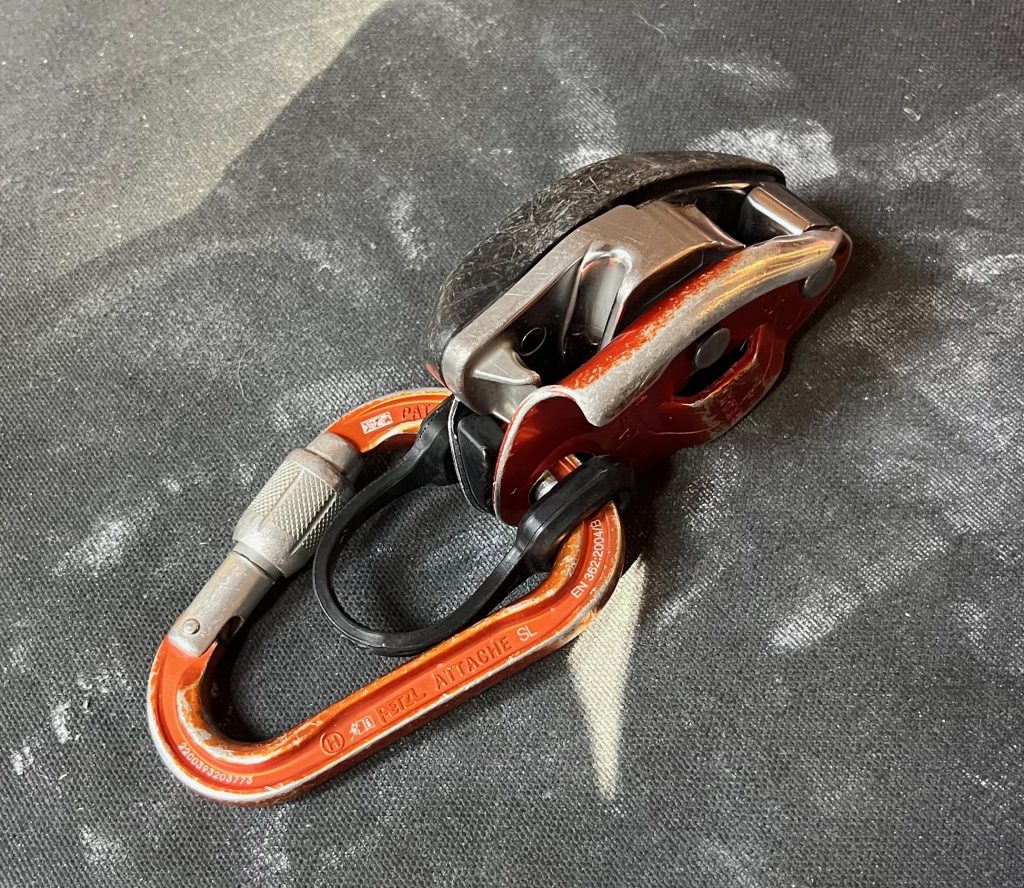
The Flex-Link fixes the cross-loading potential entirely, especially when paired with a captive-eye carabiner, another small gadget that reduces the potential for cross-loading on the belay loop side that comes integrated with specialized locking carabiners. I can also see the Flex-Link helping in creative rigging situations like fixing ropes to quick links. Ultimately, I think this product is most useful for those that intend to self-belay while lead rope-soloing.
Each Avant product I tested solved a problem with simple, thoughtful design. Whether you buy one item or the whole suite of goods, I consider it money well spent for anyone serious about efficient, smooth, and safe toprope soloing.
Pros: Well-designed for specific applications, lightweight, unique designs, easier to apply than most DIY efforts
Cons: A touch more expensive than homemade solutions, minor durability concerns with the neck lanyard
Ben Lim is an AMGA certified rock guide living in Portland, Oregon. He enjoys his work and connecting with others while guiding skiing, rock climbing, and mountaineering throughout the Pacific Northwest. Learn more about Ben at www.trilliumalpineguides.comand on Instagram at @trilliumalpineguides.