

MSRP: Lumina 100 ($289), Lumina 200 ($379)
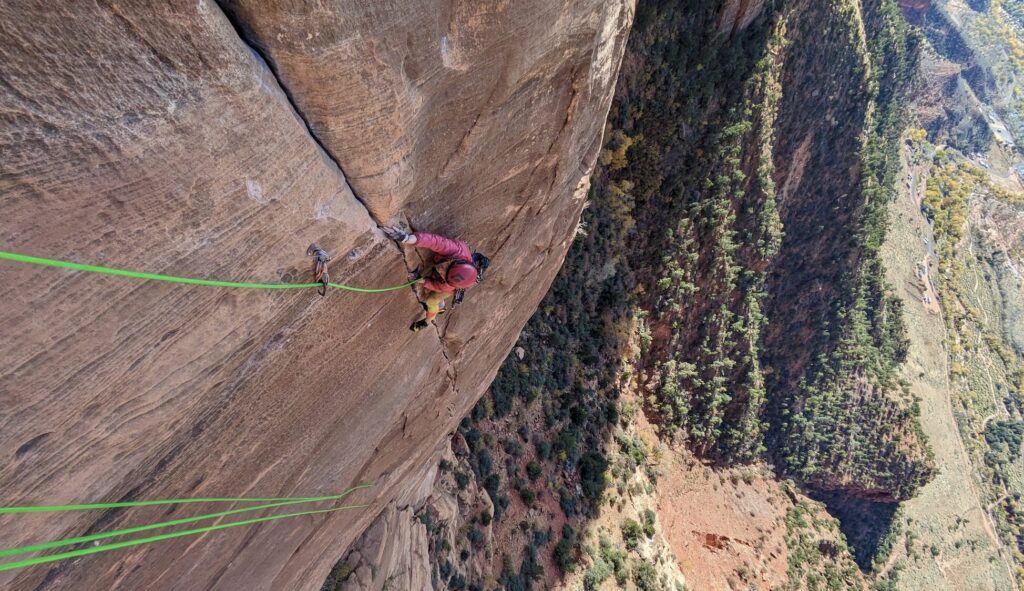
The La Sportiva Lumina down jacket series—100, 200, and 300—set out with the goal of achieving the highest warmth-to-weight ratio out there. In November and December of 2025, I wore either the Lumina 100 or 200 jacket every day. They came with me on multipitch climbs in Red Rock Canyon in Nevada, Zion National Park and made the journey all the way to Wadi Rum in Jordan. I get cold easily when I am not moving, which has turned into a mild obsession with jackets. I feel like I have to bring an insulation layer everywhere and I increasingly have less tolerance for just sucking it up. Luckily the lightness of the Lumina series meant I never had to choose between added weight and being cold.
Any discussion of the Lumina series starts with its warmth-to-weight ratio. The women’s XS Lumina 100 at 149 grams (5.3 ounces) is meant to be a bare minimum down jacket, perfect for protection on chilly days when the grams count. The women’s XS Lumina 200 jacket is 206 grams (7.3 ounces) and ideal as a warm belay jacket on cold fall days. The Lumina 100 and 200 have 70g and 103g, respectively, of 1000 CUIN down (cubic inches per ounce, also known as fill power). Down jackets don’t have a “rating” like sleeping bags or pads, so they can be hard to compare between models. You can compare the fill weight and fill power to the total weight of the product. Both Lumina jackets come in around 50% with 1000 CUIN fill down, which is comparable to other jackets with the highest fill-to-weight ratios on the market. I also did an informal home test wearing each of my puffy jackets around town on a snowy winter day in Index, Washington. The Lumina 200 was by far the warmest jacket I own (apart from my mega winter belay parka) and also the lightest. Remember that I am obsessed with jackets, so I had a solid lineup to compare it to.
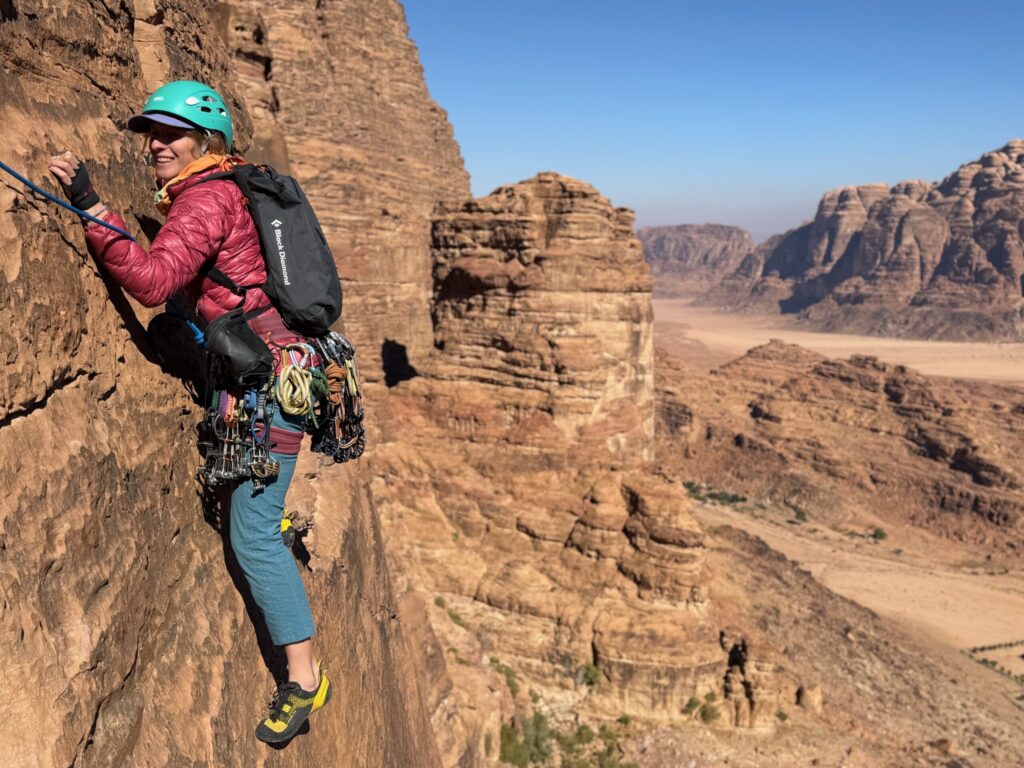
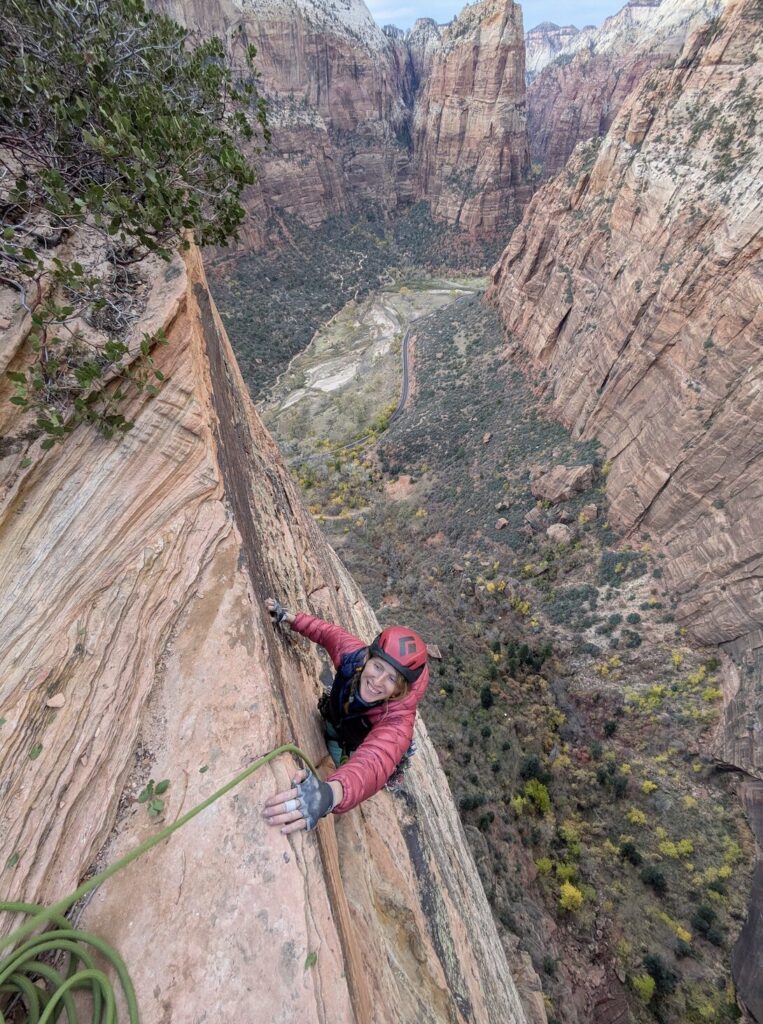
I found I usually reached for the lighter Lumina 100 on multipitch climbs when I could climb in a base layer, but I wanted a warmer layer to belay in, or just wanted the added security of a jacket in case the wind picked up. It often replaced bringing an ultralight wind layer (mine are all around 3.5 to 4oz) and added way more peace of mind for less than the weight of a bar. It basically changed my entire layering system for short multipitch climbs. I usually brought the Lumina 200 on colder days when I might be climbing in a lightweight fleece or wind layer and then want a jacket that would provide instant warmth at a belay. I also wore it in the evenings while camping. My partner and I went to Zion in November with the goal of climbing Shune’s Buttress and Monkey Finger, both long, shady routes. We decided to climb them despite the cold November days and I was especially glad to have the light warmth of the Lumina 200 on those big days. We had to make it back down before the last shuttle bus out of the canyon, so we needed to travel light and fast.
The Lumina 100 and 200 jackets are meant to count grams, minimize the features and material in order to maximize the warmth. These jackets do that quite well. They are virtually featureless, which, is a reasonable price to pay for ultralight. They do have two zippered hand pockets and a full front zipper. You know La Sportiva was trying to shave grams because neither jacket comes with a coat rack loop. As with pretty much all ultralight products, the material is quite thin and feels less durable than puffies that weigh more. I was careful not to let the jackets brush up against the rock while climbing in them and I certainly wouldn’t climb an offwidth in them. That being said, there are few down jackets I would climb an offwidth in. I thought of the Lumina more as great jackets to have to throw on at belays, and to climb the occasional pitch in when I really couldn’t bring myself to take my jacket off. The thin material also meant down feathers poked through more easily than other down jackets, but again, lower durability is usually the price paid for ultralight. These aren’t jackets I’d grab for everyday, rough use, but with a bit of care I had no durability issues in over two months of near daily wear.
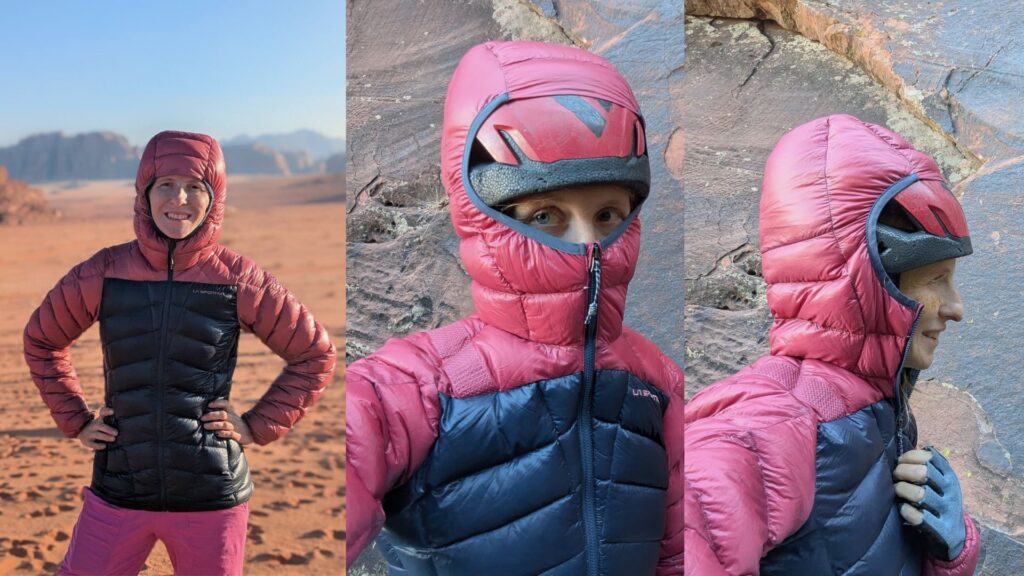
The Lumina 100 does not come with a hood. I am a strong believer in the power of a hood and thought I would miss it. However, for what the jacket is meant for, I found the lack of hood made a lot of sense. The added weight and bulk of a hood probably would have made the difference between me bringing it and not. The Lumina 200 which is meant for harsher conditions does come with a hood. The hood strikes an impressive balance of fitting snugly around your face with no helmet while still barely but comfortably fitting over a helmet. It does this without the use of any cinching cord, which was the first time I have seen a jacket pull this off well.
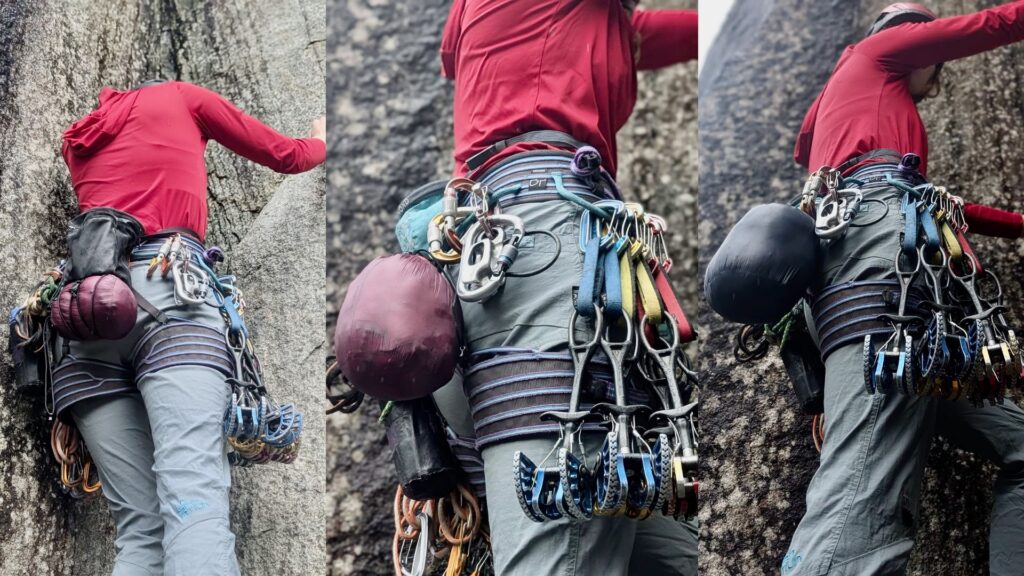
An awesome feature on the Lumina 100 and 200 jackets is their packability. They don’t pack into a pocket, but instead come with an ultralight stuff sack. I usually find myself either having to bring a pack on multipitches when I want a puffy jacket as I don’t like having a bunch of things dangling on my harness. That, or I end up suffering with an ultralight wind layer. The Lumina 100 instantly solved this dilemma for me, as it was small and light enough that it fit into the bungee straps on the bottom of my alpine chalk bag. I took advantage of this on many climbs in Red Rocks, Zion and Wadi Rum. In addition, on longer climbs, my partner and I will bring a follower pack, so the leader doesn’t have to carry a pack. The downside to this is the leader doesn’t get to wear a jacket while belaying the follower. I was again psyched to not mind having the Lumina 100 on my harness while leading and get to put it on right away while belaying. As a person that tends to get cold easily when I am not moving, the Lumina 100 solved a lot of logistical problems I had previously had while multipitch climbing. While the Lumina 200 is bigger than I personally would want hanging off my harness, it took up very little room in a pack.
The women’s Lumina 100 comes in rosebay and night sky, basically pink and navy blue. The Lumina 200 comes in night sky/rosebay (pink and navy blue) or onyx, all black. Essentially each jacket has a brighter version and a more neutral color. I enjoyed that the rosebay stands out nicely in photos.
The Lumina 100 had a bit more of a boxy fit, falling straight down from the arm pits. The Lumina 200 has a more fitted look, curving in above the waist. I am usually an XS in jackets and found an XS in both jackets fit perfectly with spare room for layering a fleece underneath. I even layered the XS 100 and 200 on cold nights while camping, but the fit might be a bit tight for activity. Both jackets have that wonderful cozy feeling of instant warmth when I put them on.
Both jackets are made with recycled fabric (Pertex Quantum with 100% Recycled Polyamide) and Responsible Down Standard (RDS) 1000 CUIN Italian down, which I loved. According to REI’s website, “The RDS label certifies that the down and feathers … came from ducks and geese that were treated according to leading animal welfare standards. While down is a byproduct of the food industry, this standard bans cruel practices like live plucking and force feeding.” The jackets also come with a few clear squares of tenacious tape, which is a nice reminder to repair rather than retire your gear.

While I tested the Lumina jackets on cold autumn desert days, I am already starting to scheme all of the other trips I’ll use them on, such as alpine climbing next summer in the Cascades. They will also be perfect as midweight puffies for ski touring or ice climbing, although on colder days they may need to be paired with a belay parka. The Lumina 100 and 200 didn’t just keep me warm, they fundamentally changed how I think about layering and logistics on multi-pitch climbs. For anyone who wants to minimize their pack weight but still desire real warmth when it matters, these jackets strike an impressive balance.
Pros: exceptional warmth-to-weight ratio, ultra-packable, made with recycled fabric and RDS down, hood on the 200 fits well with and without a helmet
Cons: not highly durable, less extras, feathers poke through exterior more easily
Lani Chapko is a certified AMGA Rock and Alpine Guide who calls the perfect granite and bright green moss of Index, Washington, home. Enjoying running around in the alpine and getting humbled by Index in the summers, she chases sunnier rock in the autumn and winters traveling to the Desert Southwest, Wadi Rum, El Potrero Chico and beyond for work and play. Lani has put up first ascents all over from chossy alpine climbs unlikely to be repeated, to classic multipitch sport climbs. She is constantly putting her gear to the test in wild environments. Lani owns her own guide service called, The Climbing School www.theclimbingguides.com. Follow along on her adventures: @goatsonropes.